

Success in both pillars relies not only on political alignment and military planning but critically on the strength, resilience and adaptability of industry across the three nations. For Australia, the question is not whether industry has a role to play, but whether it can rise quickly enough to meet the scale and urgency of the challenge.
From the outset, it is clear that industry underpins AUKUS in three interconnected ways.
First, it provides the sovereign industrial base needed to construct, maintain and sustain nuclear-powered submarines in Australian shipyards.
Second, it delivers the innovation, prototyping and production pathways for advanced technologies under Pillar Two.
Third, it ensures resilience and sustainability in the event of a protracted major power conflict, something analysts now widely regard as a likely scenario rather than a remote contingency.
“There is a growing consensus amongst the strategic policy community that the next war will be protracted in nature. It will last many months, if not many years. Therefore we do need to start thinking about how we build up defence industrial base to sustain the ADF over the long-term,” says Dr Malcom Davis, Senior Analyst – Defence Strategy, Australian Strategic Policy Institute.
The nuclear-powered submarine program demonstrates the industrial challenge most starkly.
While Australia will initially receive US Virginia Class boats before transitioning to a new AUKUS Class design, delivery time frames stretch from the 2030s and beyond. As commentators have pointed out, one submarine does not make a fleet, and the credibility of deterrence requires several in service simultaneously.
Yet the United States itself struggles with production capacity, raising doubts about whether sufficient boats can be spared for Australia. This is where industry becomes a central enabler of sovereign capability.
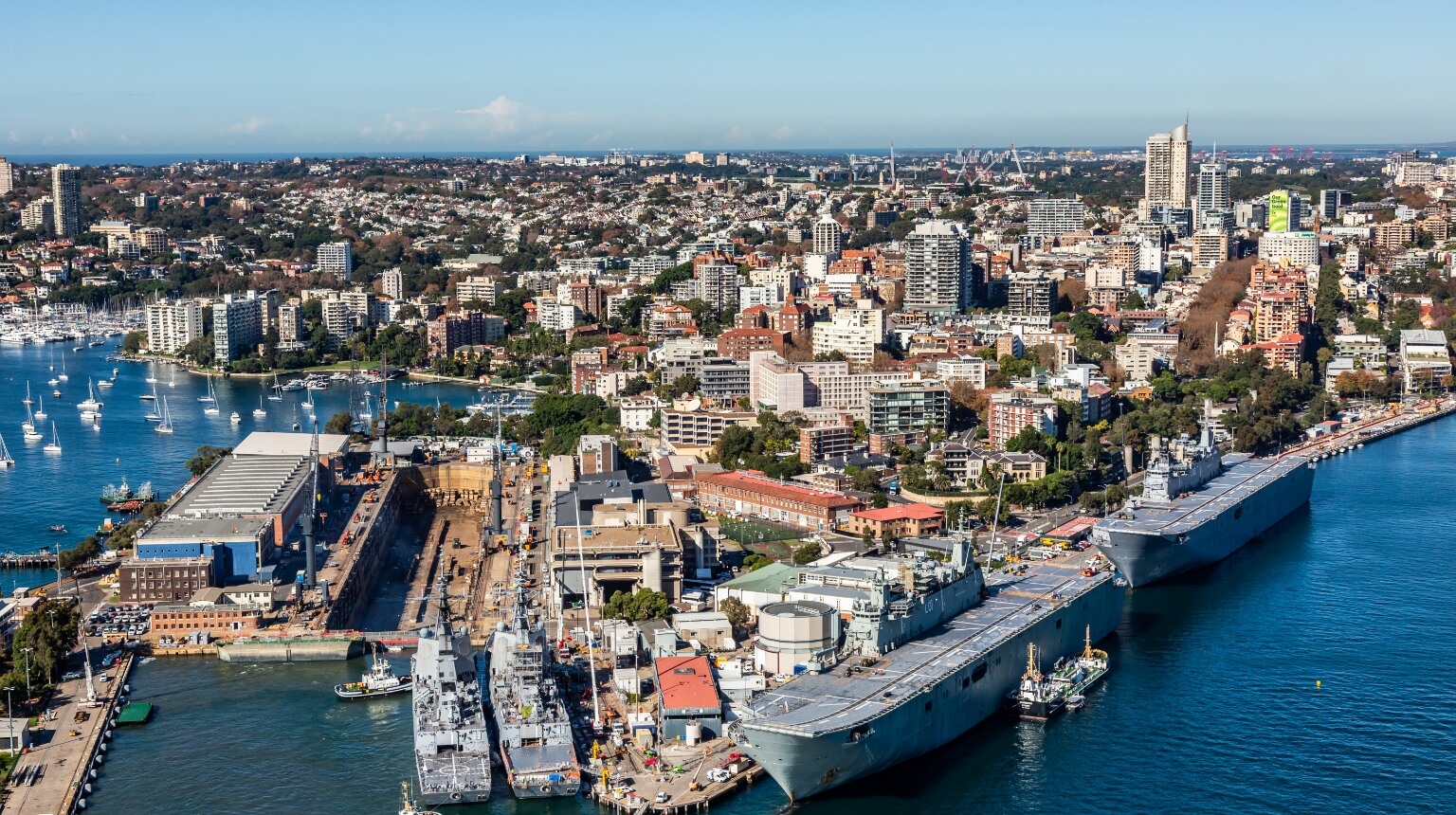
Australian shipyards, supply chains and sustainment hubs must evolve rapidly to undertake complex construction and long-term battle damage repair, not merely assembly of imported components.
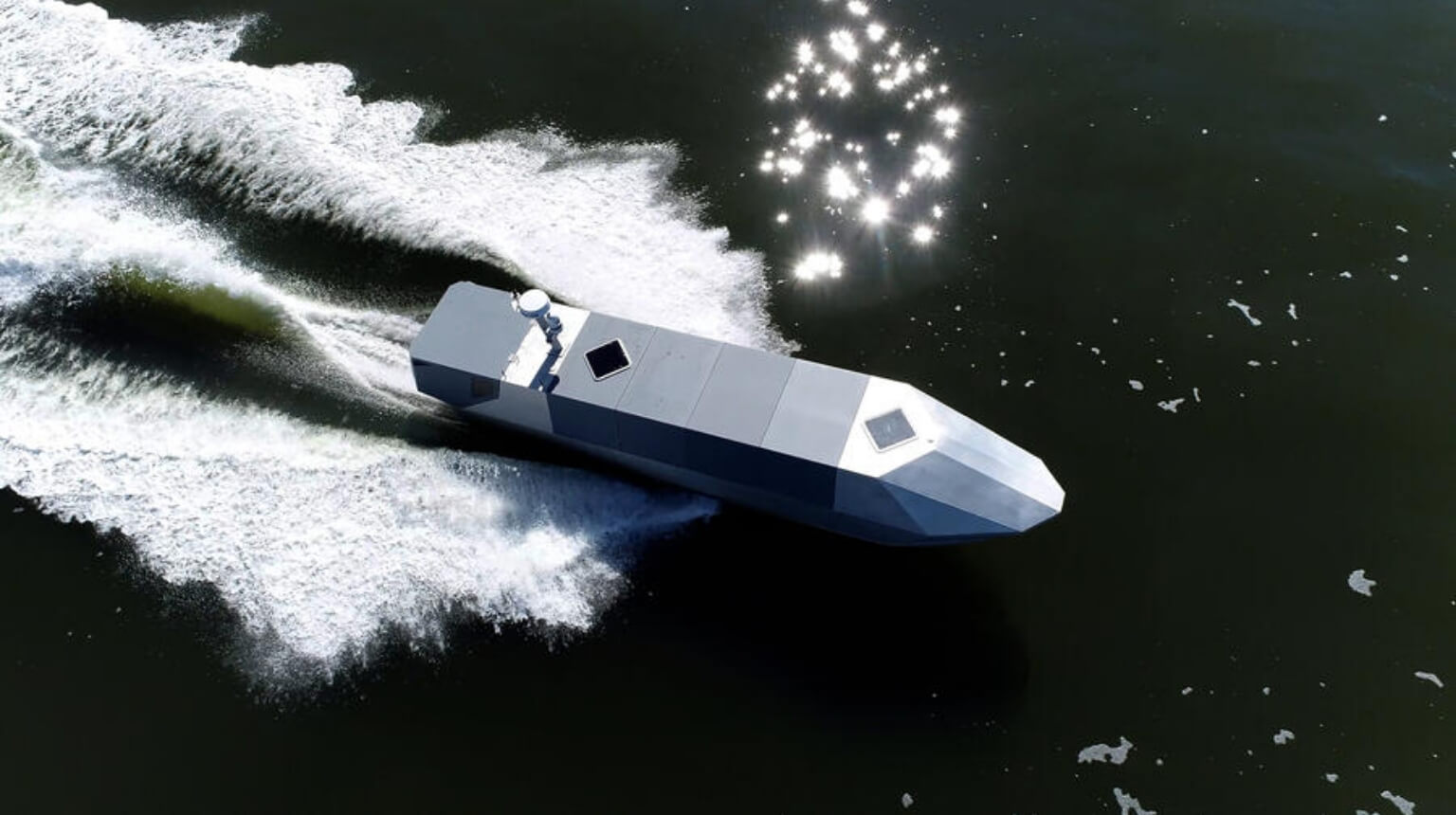
“Australia is a boat-building nation and we have great capability locally to build, repair and sustain vessels of all sizes. We need to harness that and look at opportunities to accelerate our maritime capability. In the immediate term that might well be building smaller USVs in much shorter time frames, using local materials and production,” says Zac Smith, Head of Government Relations, Leidos Australia.
Australia is a boat-building nation and we have great capability locally to build, repair and sustain vessels of all sizes. We need to harness that and look at opportunities to accelerate our maritime capability.”
- Zac Smith
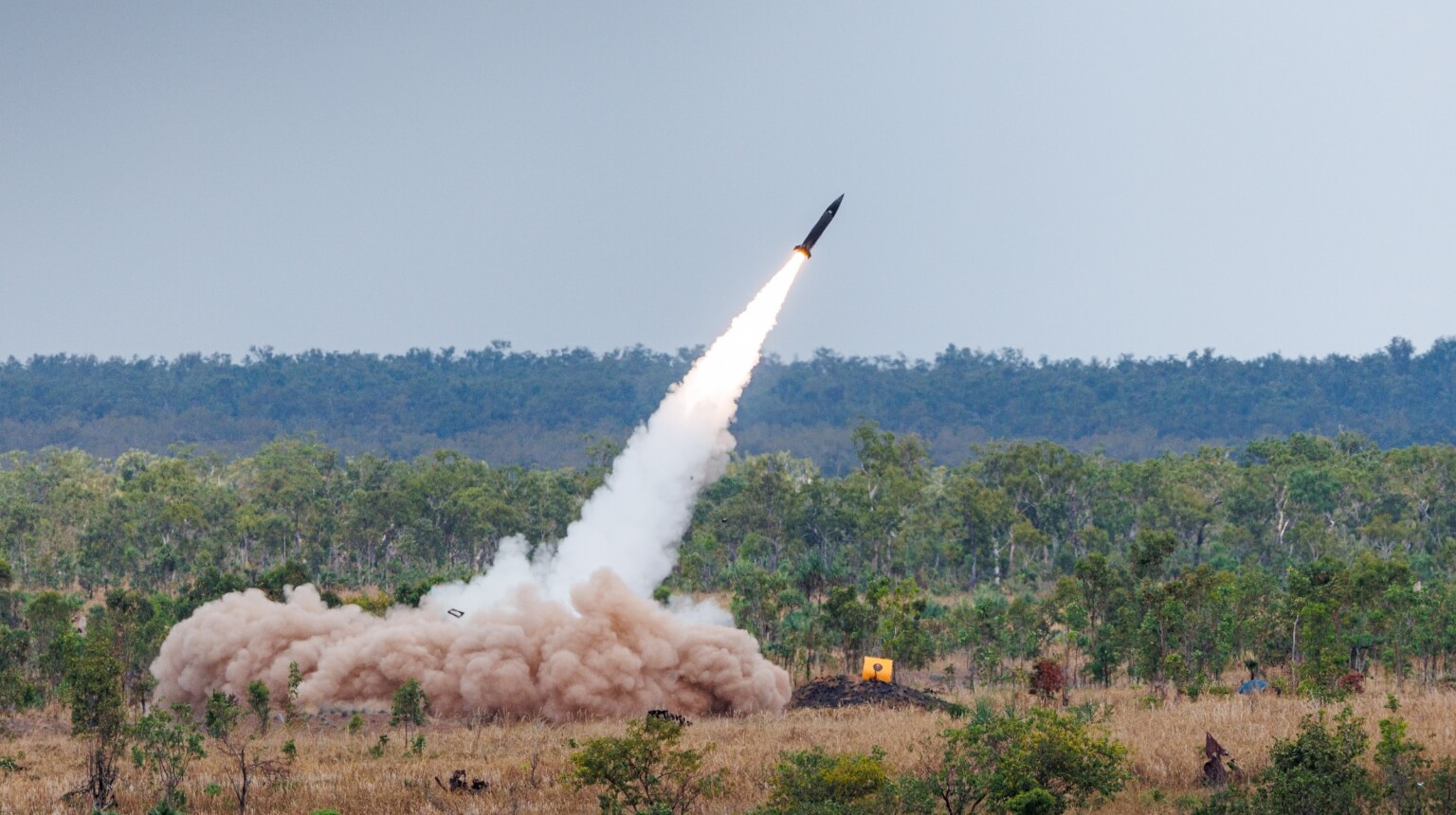
Beyond the maritime space, Pillar Two places Australian industry in a position of both risk and opportunity. If advanced capabilities such as hypersonics, autonomous systems and counter-drone technologies are to arrive in time to matter, industry must break out of traditional slow acquisition cycles.
“One approach is fast-tracking proven capabilities, such as from the US, and delivering an agile system for our Defence Force that can evolve in line with changing environments and mission needs. An example of this is what we’re doing as part of our role as Systems Integrator on Land 156 where we are providing the ADF with a modular and scalable Counter-Small UAS (CsUAS) capability,” says Smith.
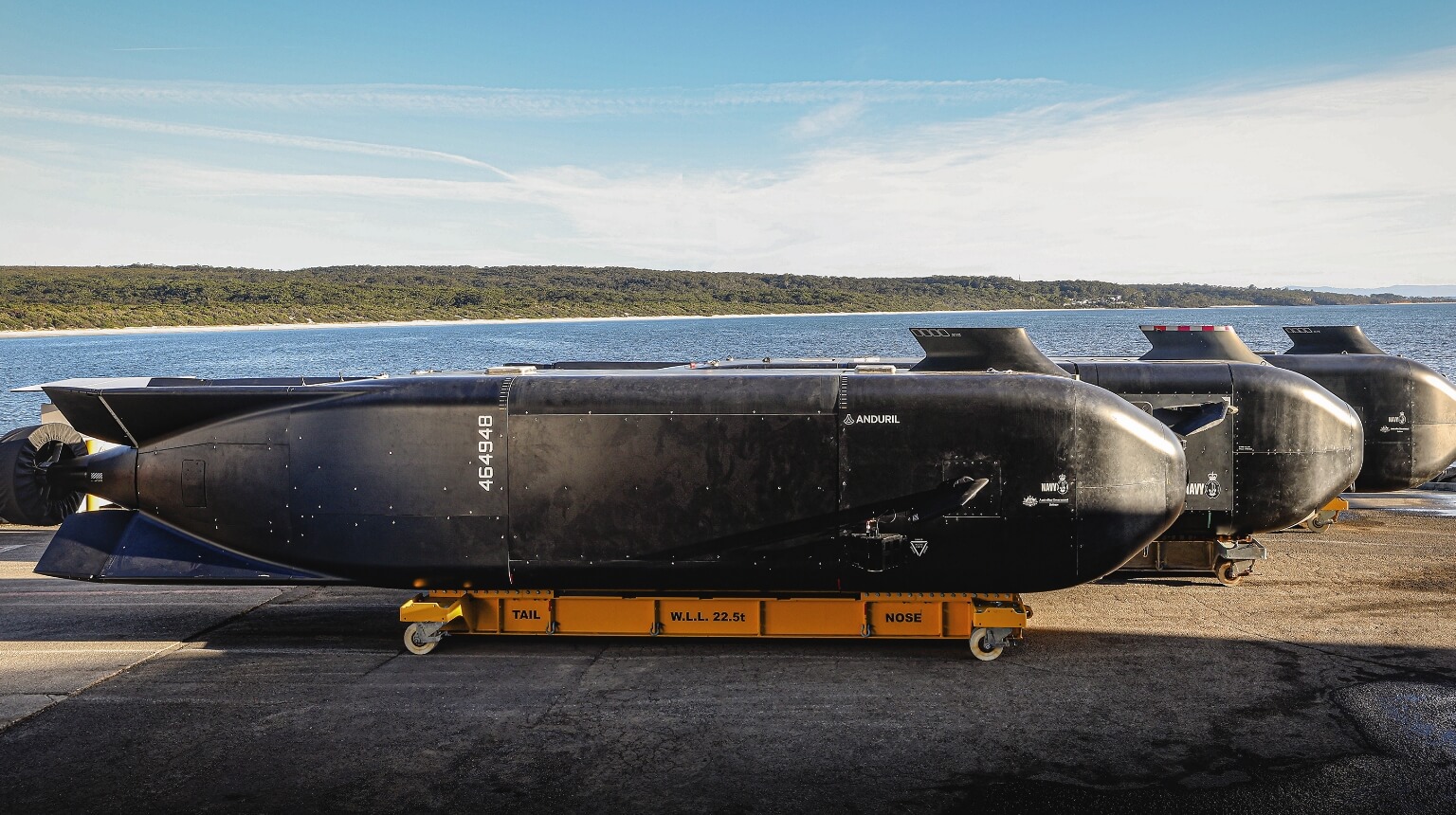
Defence and its partners can no longer afford to wait decades for “exquisite” platforms produced in small numbers. Instead, industry should embrace a philosophy of “the small, the many and the cheap”: autonomous vessels, low-cost uncrewed aircraft, directed-energy weapons and rapid prototyping cycles akin to the “Century Series” approach in aviation.
This demands a shift in mindset from both Defence and industry, accepting higher levels of risk, learning fast and continuously iterating rather than expecting platforms to remain in service for 30 years.
Equally important is the question of resilience. For decades, Australian strategic thinking assumed wars would be short and decisive. Ukraine has shattered that assumption.
If future conflict in the Indo-Pacific proves protracted, as many now fear, Australia must be prepared to sustain operations for months or years. That requires a defence industrial base capable of producing and replenishing munitions at scale, protecting critical supply chains from cyber attack and dispersing production capacity across the country.
Australia cannot afford to run out of missiles in the first days of conflict without the means to rapidly replace them.
“If you look at the air defence threat, particularly against low-cost drones, if we set our minds to it in terms of being innovative and thinking outside the box, we could produce, low-cost, propeller-driven aircraft that can match the speed and performance of the drones and shoot down the drones at very low cost,” says Davis.
So, what can Australian industry do better to support the tripartite delivery of AUKUS?
First, industry must broaden its view of where capability resides.
While attention often focuses on Osborne and Henderson shipyards, the reality is that Australia already has widespread boat building and sustainment expertise, from Queensland to the NSW coast.
Yacht yards and commercial shipbuilders have demonstrated their ability to conduct complex repairs on US Navy uncrewed vessels visiting Sydney, proving that latent capacity exists if properly integrated into defence planning. Recognising and harnessing this distributed capacity will increase resilience and surge potential.
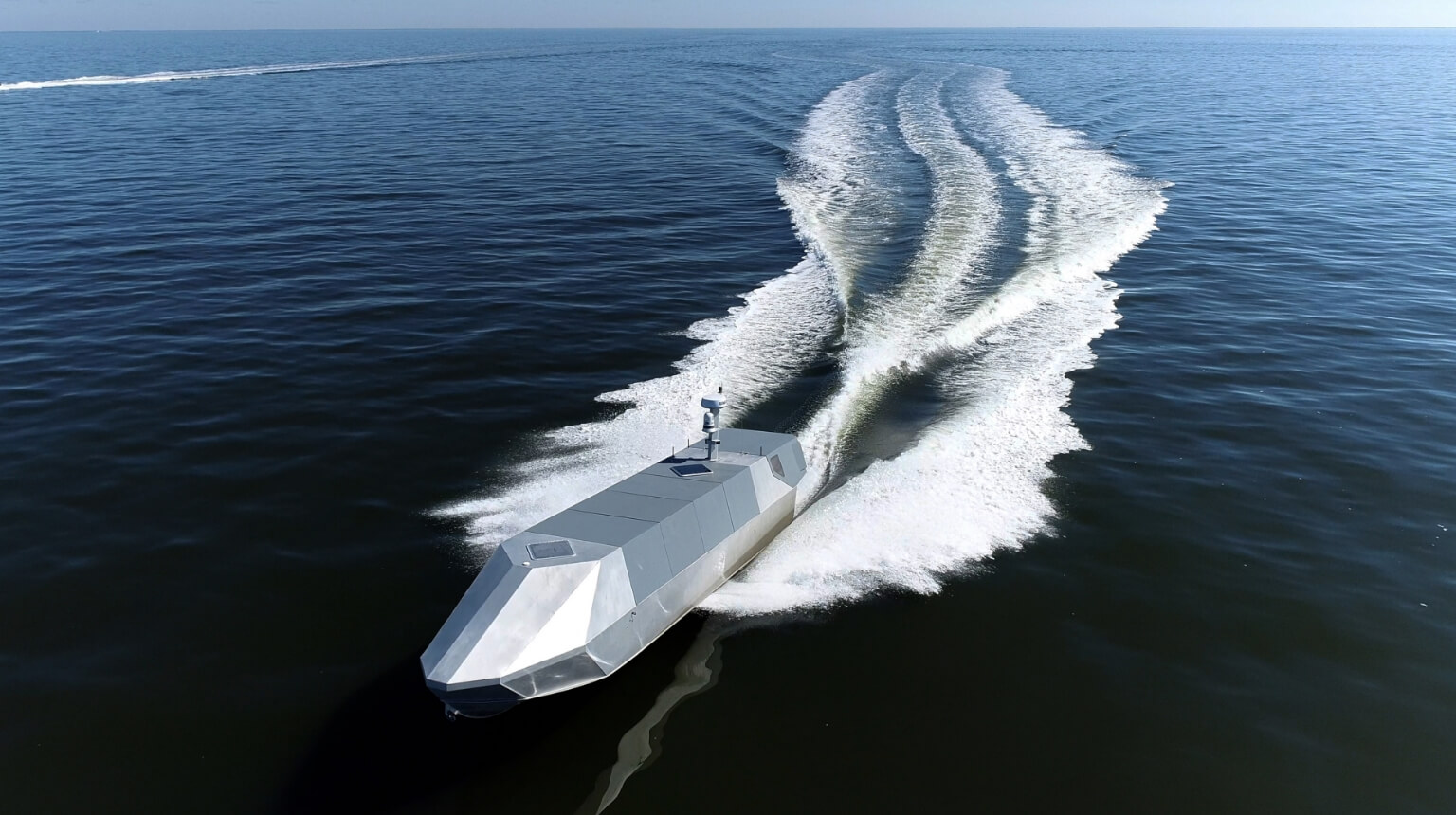
“Leidos Australia recently appointed Oceans Rivers Lakes in NSW to build Sea Archer – a fully autonomous, small uncrewed surface vessel. Its simple aluminium hull means it can be built at shipyards all over Australia. By tapping into that distributed capacity, we can deliver fast, flexible and affordable maritime solutions that boost resilience and meet mission needs without disrupting major shipbuilding production at Osborne and Henderson,” says Smith.
Second, industry must invest more deeply in digital capacity alongside traditional manufacturing. Advanced capabilities depend not just on bending steel but on software engineering, cyber security and artificial intelligence integration.
Defence needs continuous access to software engineers, systems designers and digital twins to adapt in real time during conflict. The next Defence Industry Development Strategy should place equal weight on digital sustainment as it does on physical platforms.
Third, industry must collaborate more actively across borders. AUKUS offers unprecedented access to the defence ecosystems of the United States and the United Kingdom.
“AUKUS opens doors to trusted defence networks. We need to actively collaborate across borders, securely share information, and build readiness together – so we’re not just connected, but prepared for what’s next. Getting Australian SMEs on board with trade compliance and the licence-free environment is key to unlocking their full potential in this ecosystem,” says Davis.
By signing onto AUKUS authorised user frameworks and adopting universal baseline systems – such as common autonomy packages – Australian SMEs can plug directly into trilateral supply chains. This ensures that updates and patches flow seamlessly across time zones, giving the alliance a rolling “decision advantage” over potential adversaries
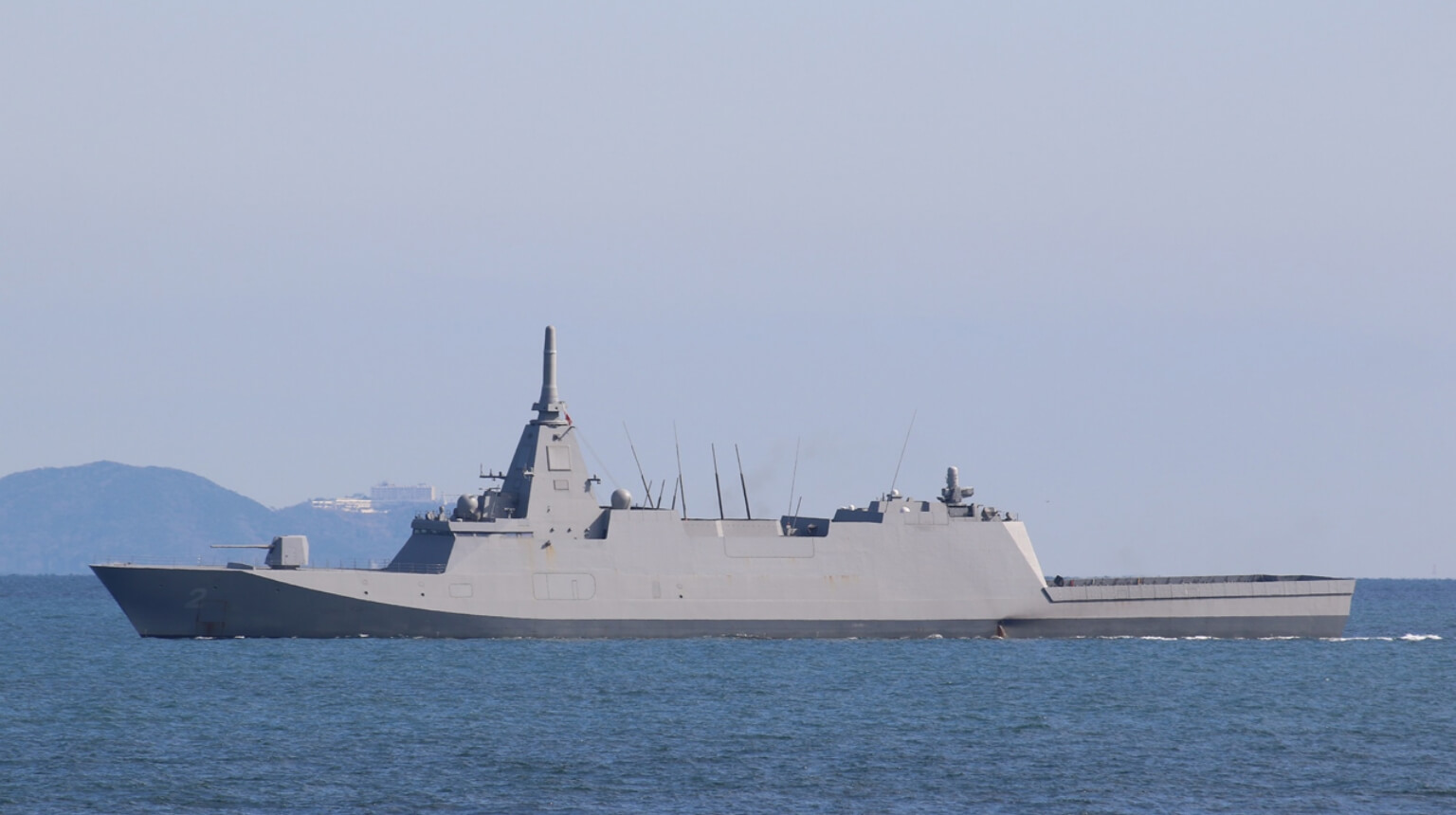
Finally, industry must be prepared to scale for mass. The Bathurst Class corvettes built in the Second World War are a reminder of what Australia can achieve under pressure.
In just two years, 60 vessels were produced – a feat of mobilisation that stands in stark contrast to today’s limited output. Modern equivalents may be autonomous craft or low-cost drones rather than corvettes, but the principle remains the same: Australia needs industry to be prepared to deliver at speed and scale when circumstances demand it.
“Speed and scale matter when it counts – and that means having industry ready to move fast, together. AUKUS gives us the access, but collaboration across government, primes and SMEs is what turns readiness into reality. Leveraging export control policy changes, secure information-sharing platforms and building enduring partnerships is key,” says Smith.
AUKUS will succeed or fail on the strength of its industrial foundations. Government can sign agreements, militaries can align strategies, but without industry capable of delivering submarines, advanced technologies and sustainment at scale, the partnership risks falling short. The task before Australian industry is immense, but not insurmountable.
By embracing innovation, building resilience, investing in digital capabilities and integrating fully into the trilateral framework, industry can ensure that AUKUS delivers not just promises, but real and lasting deterrence for Australia and its allies.