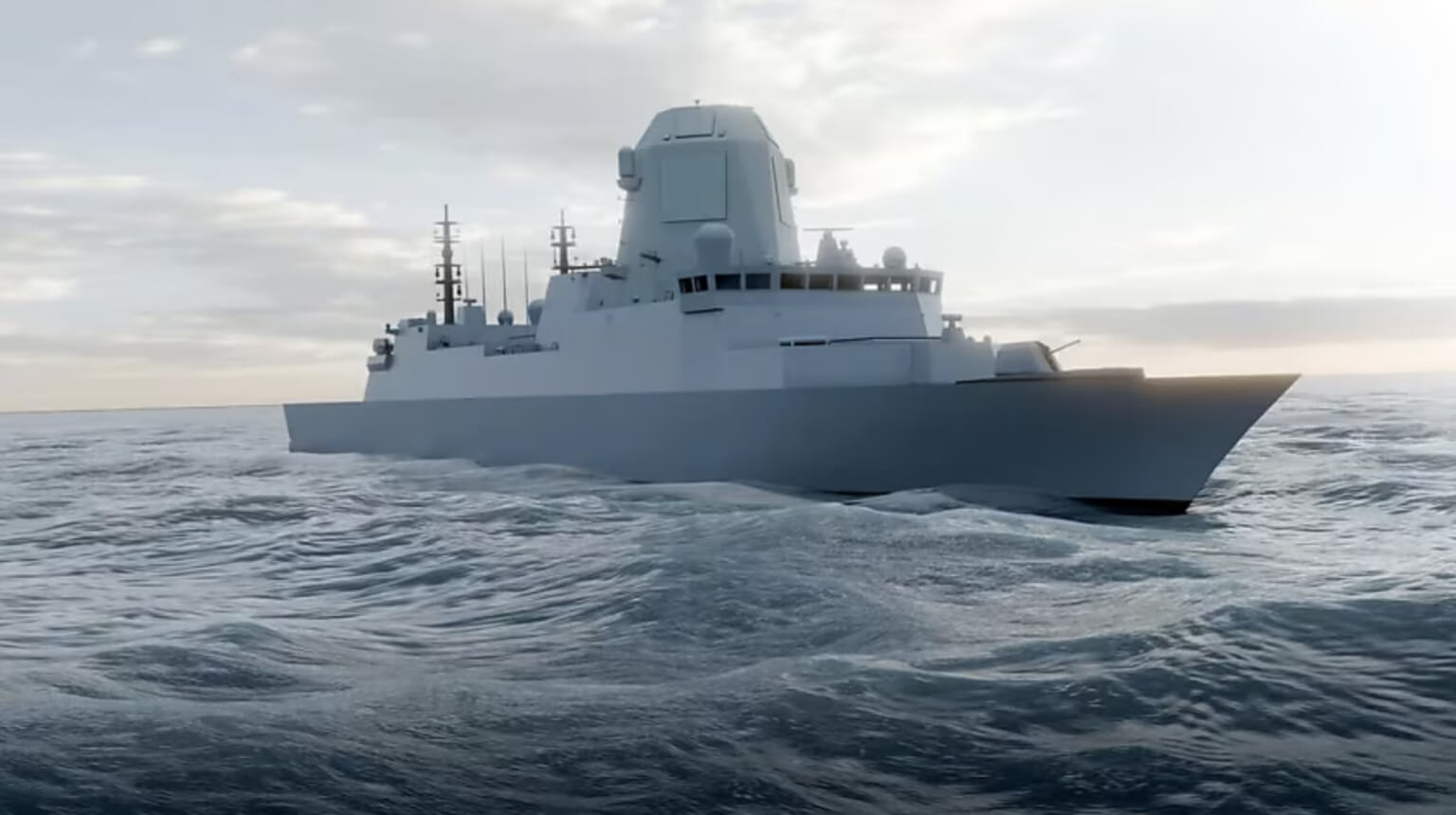


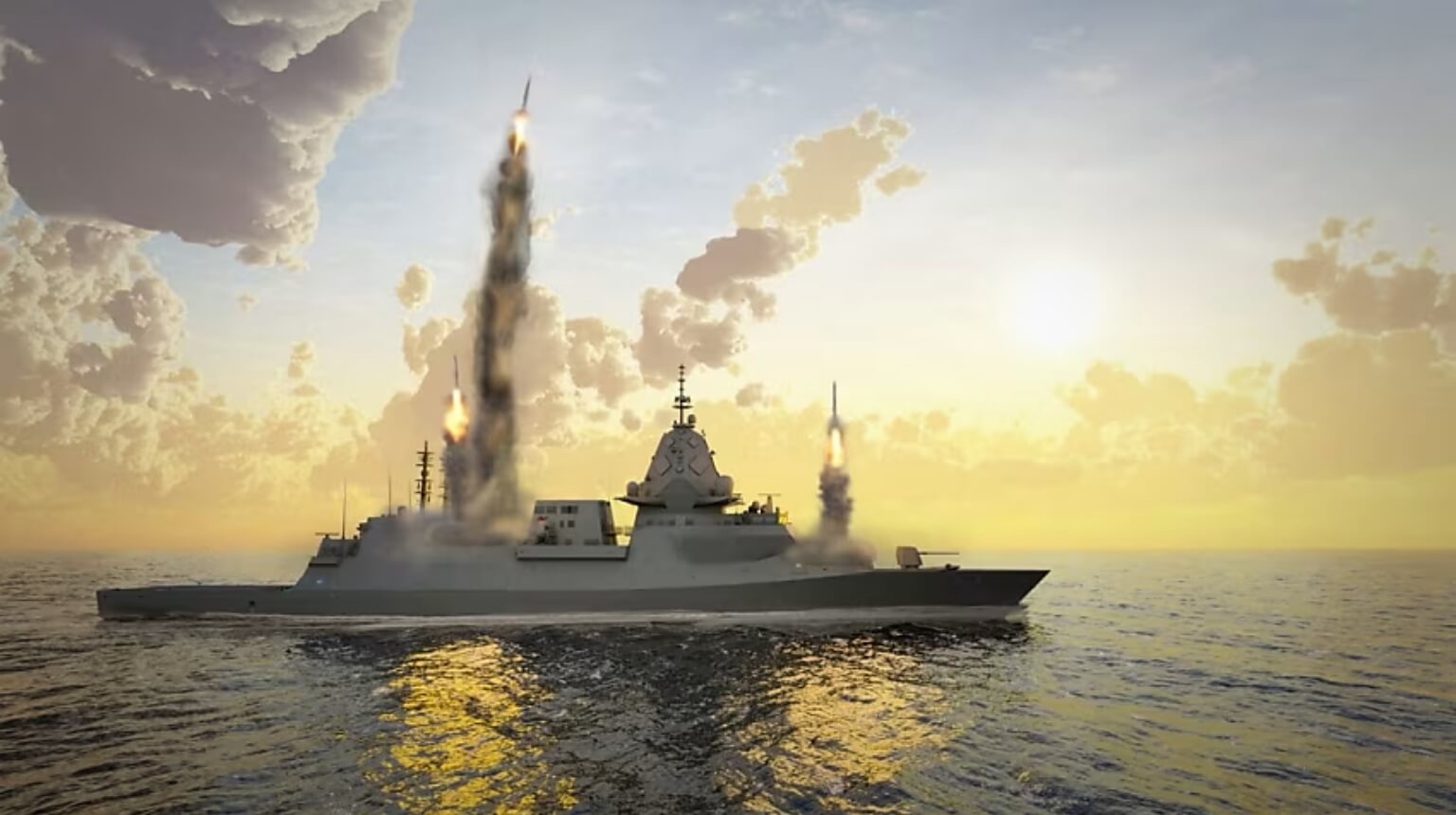
The renewed debate follows an article in The Australian by journalist Ben Packham, highlighting the striking cost disparity between Australia’s Hunter Class frigates and Norway’s newly announced acquisition of five British-designed Type 26 anti-submarine warfare (ASW) frigates for around AU$20 billion – roughly AU$4 billion per ship. By comparison, Australia’s modified version of the same vessel is expected to cost around AU$9 billion each.
The Norwegian decision has reignited long-standing scrutiny of Australia’s defence procurement system, particularly the selection and evolution of the Hunter Class project. BAE Systems was awarded the contract in 2018 under the Turnbull government to design and build nine vessels at Osborne in Adelaide. The original program was costed at AU$35 billion but has since ballooned and been reduced to six ships after the 2024 Defence Strategic Review, with the first ship now projected to enter service around 2034 – nearly two decades after selection.
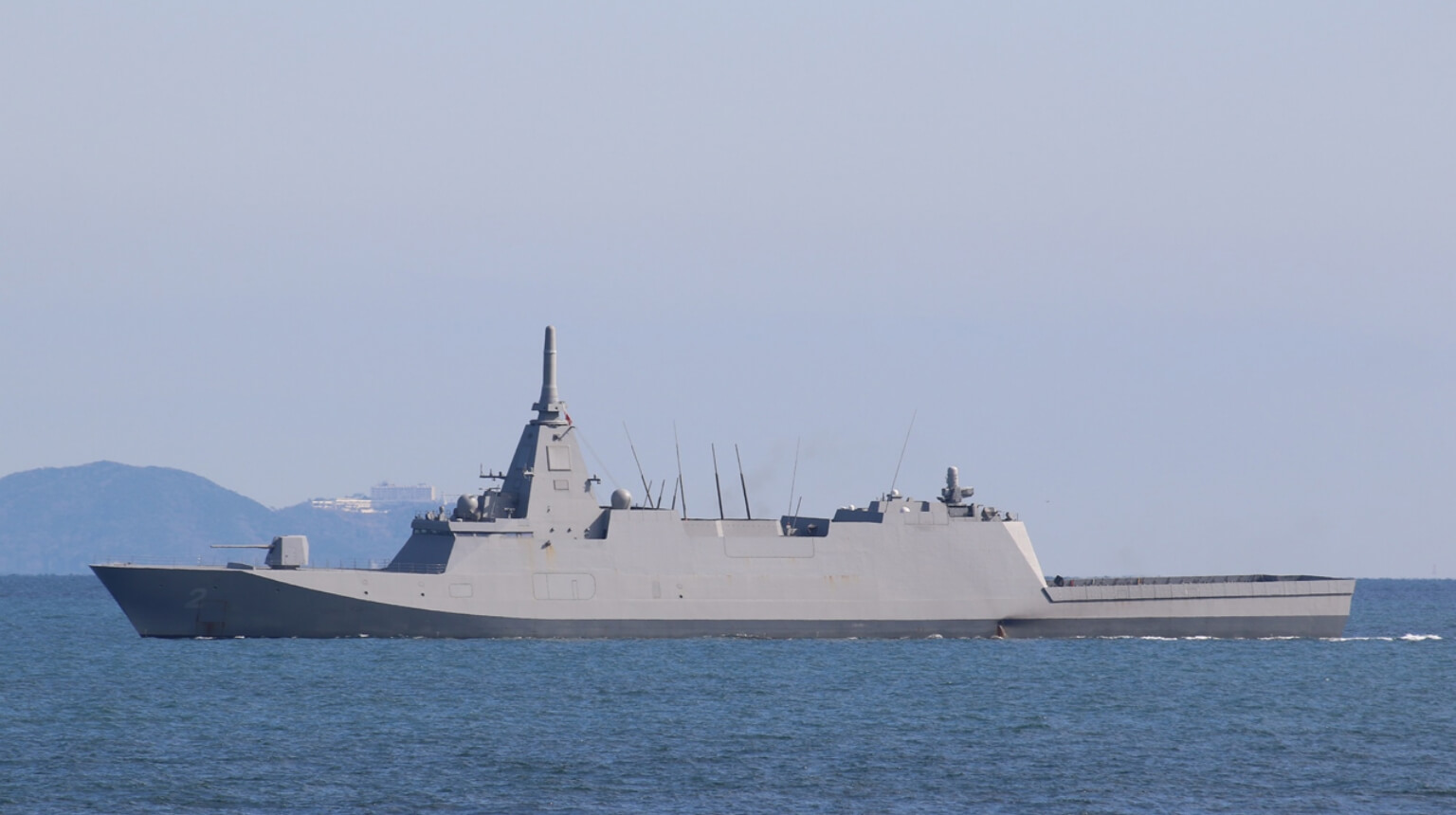
Critics such as Strategic Analysis Australia’s Michael Shoebridge have described the project as emblematic of “botched” decision making, arguing that Canberra should consider abandoning the Hunter in favour of Japan’s cheaper and more rapidly produced Mogami Class frigates. Japan has already built similar ships for as little as AU$750 million each, while the US Navy’s Constellation Class comes in at about AU$1.8 billion per vessel.
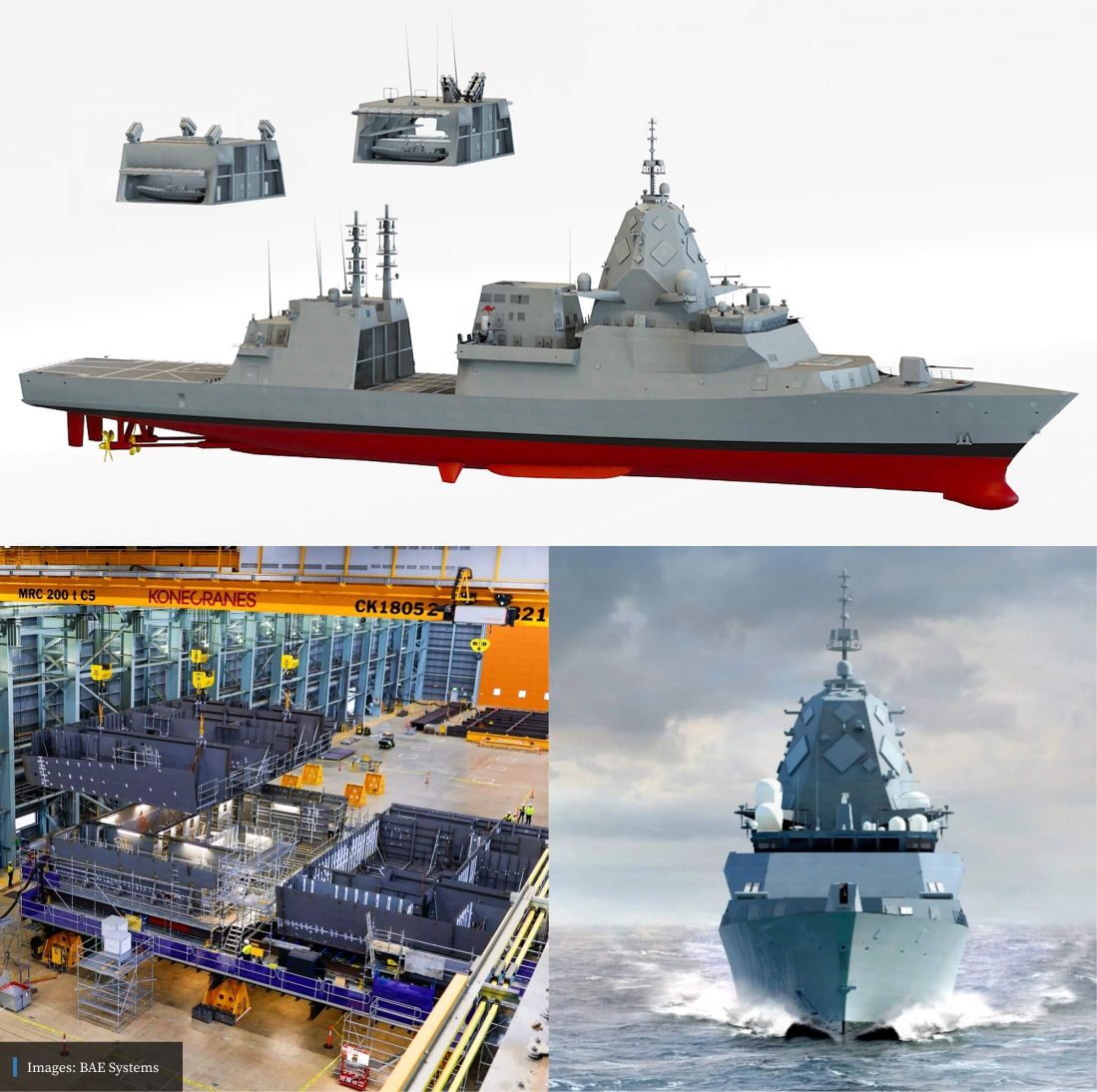
Australia has already spent around AU$5.7 billion on the Hunter project, despite substantive construction beginning only last year. Critics point to design creep as the core driver of delays and cost blowouts: the Australian variant integrates a domestically produced CEA radar, Lockheed Martin’s Aegis combat management system, and a Saab-developed interface – making it significantly heavier and more complex than its British parent design.
Lockey’s rebuttal: Defending progress and performance
In a detailed LinkedIn post, CDRE Lockey has sought to set the record straight, challenging the “troubled” label often attached to the project in public commentary.
He argues that the use of such language undermines the morale of the thousands of Australians working on the program, stating: “About a year ago I posted about how ambitious the Hunter Class Frigate Program is, and how descriptors such as ‘troubled’ and ‘controversial’ are damaging our ability to attract and retain the high-quality people we need to deliver a sovereign shipbuilding capability. Today the ‘troubled’ descriptor was used again, without any evidence of what is troubling.”
CDRE Lockey points to the program’s on-time and on-budget performance over the past two years, noting it has delivered 19 of 20 major milestones since July 2022, within 0.06 per cent of its financial target.
“Would a troubled program, which has 140+ national and international suppliers on contract, achieve a financial year outcome within 0.06 per cent of budget?” he asks.
He also highlights that more than half of the first ship’s hull is already under construction, just 14 months after the initial steel cutting, and defended the investment in Adelaide’s Osborne shipyard as a crucial piece of long-term national infrastructure.
CDRE Lockey further argues that Norway’s recent selection of the Type 26 design validated Australia’s original 2018 decision to pursue a “superior” ASW frigate.
“The decision by the Norwegian government to select the Type 26, which is the reference ship design for the Hunter Class frigate, is a vote of confidence in the decision that Australia made back in 2018,” he says.
The Hunter Class is as much a nation-building enterprise as it is a warship acquisition. Yet it remains the most scrutinised naval project in Australian history – and with good reason.”
The capability argument: Radar, systems and sovereign value
CDRE Lockey also underscores the advanced combat capabilities the Australian variant will deliver, describing it as a “multi-role” warship tailored for the Royal Australian Navy’s relatively small but globally active fleet.
“The Australian-designed and developed CEA radar, combined with the Aegis combat management system and a Saab Australia developed interface, will deliver capabilities that extend well beyond ASW,” he says. “As an island nation with a relatively small Navy, having an ASW frigate with multi-role capabilities is essential.”
Supporters of the program, including former Royal Navy anti-submarine warfare officer and National Security College associate Jennifer Parker, echoes this sentiment. Parker notes that while the project’s costs are eye-watering, they include investment in sovereign infrastructure, a skilled workforce and local industry participation that will underpin future naval programs.
“I don’t hate it like everyone else,” she says. “Hunter has had a lot of issues, but I do think it gets a bad rap in terms of cost.”
The unresolved question: Warfighting capacity
Yet despite CDRE Lockey’s defence, a critical concern continues to hang over the Hunter Class: its limited weapons loadout.
The ship’s planned 32-cell vertical launch system, eight Naval Strike Missiles, and a single five-inch gun are seen by many as insufficient for a vessel displacing over 10,000 tonnes. In an era of long-range precision strike and massed missile salvos, critics argue that the Hunter’s magazine depth simply does not provide a credible deterrent against peer adversaries, nor sufficient resilience in high-intensity warfare.
While BAE Systems has proposed “up-gunned” variants to expand missile capacity, neither the Department of Defence nor Navy leadership has committed to such changes. The omission continues to fuel public scepticism about whether Australia is spending billions on ships that may lack the firepower required for the strategic environment they are meant to operate in.
The broader picture
CDRE Lockey’s defence of the program underscores the complexity of balancing industrial ambition, strategic necessity and fiscal responsibility. The Hunter Class is as much a nation-building enterprise as it is a warship acquisition. Yet it remains the most scrutinised naval project in Australian history – and with good reason.
As the first frigate’s keel takes shape in Adelaide, the debate will only intensify: how much capability is enough, and at what cost? Australia’s defence planners must now decide whether the pursuit of a world-class shipbuilding base can coexist with the urgent need for credible, deployable naval power in an increasingly contested Indo-Pacific.