

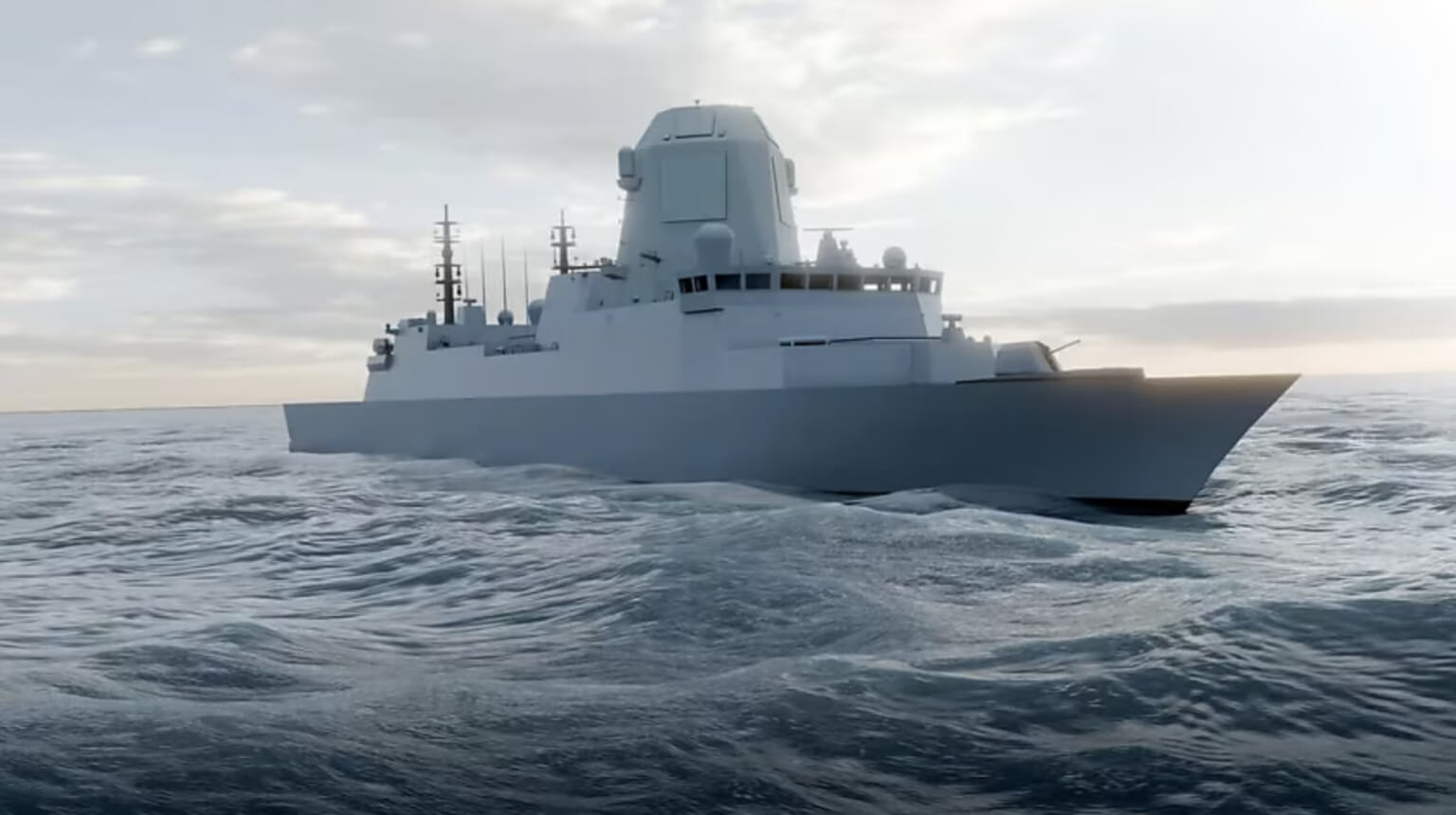
The takeaway is straightforward: Britain is trying to learn the hard lessons of Type 26, Type 31 and carrier program delivery and apply them to a next-generation air warship built around massed sensors, large missile magazines and highly automated systems. For Canberra, the concepts on display deserve close attention – not least because they speak directly to Australia’s own Hobart Class replacement problem.
From incremental upgrades to a new class of air warfare ship
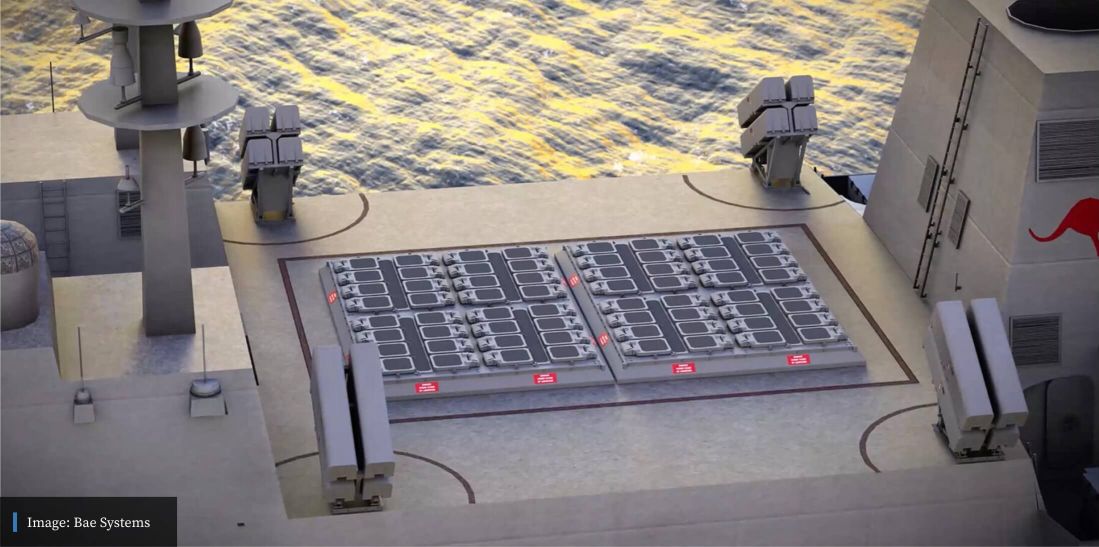
The Type 83 – previously discussed under the Future Air Dominance System label – remains a design exercise rather than a ship in steel. But the high-level ambitions are clear: a family of ships with “core capabilities” that include between about 72 and 128 Mk 41 vertical launch system (VLS) cells to host air defence, strike and future hypersonic payloads; advanced fixed-face active electronically scanned array radars; substantial electrical generation to feed energy-hungry sensors and directed-energy weapons; and an open, artificial intelligence/machine learning-enabled combat system that can fuse inputs and act fast.
BAE’s briefing signalled a break with some conventional fittings. Instead of the US five-inch gun, the Type 83 concepts favour a 57 mm weapon for interdiction, small boat and counter fast inshore attack craft roles, supported by soft kill decoys and counter-drone measures – and provision for directed-energy systems for close-in defence. An integrated mast is pencilled in to house fixed-face radars, ESM suites and electro-optical/infrared sensors, all feeding an open architecture fight system connected across a mesh network (StrikeNet was specifically referenced) and prioritising automation to reduce crew numbers.
Distributed lethality: Crewed and uncrewed working together
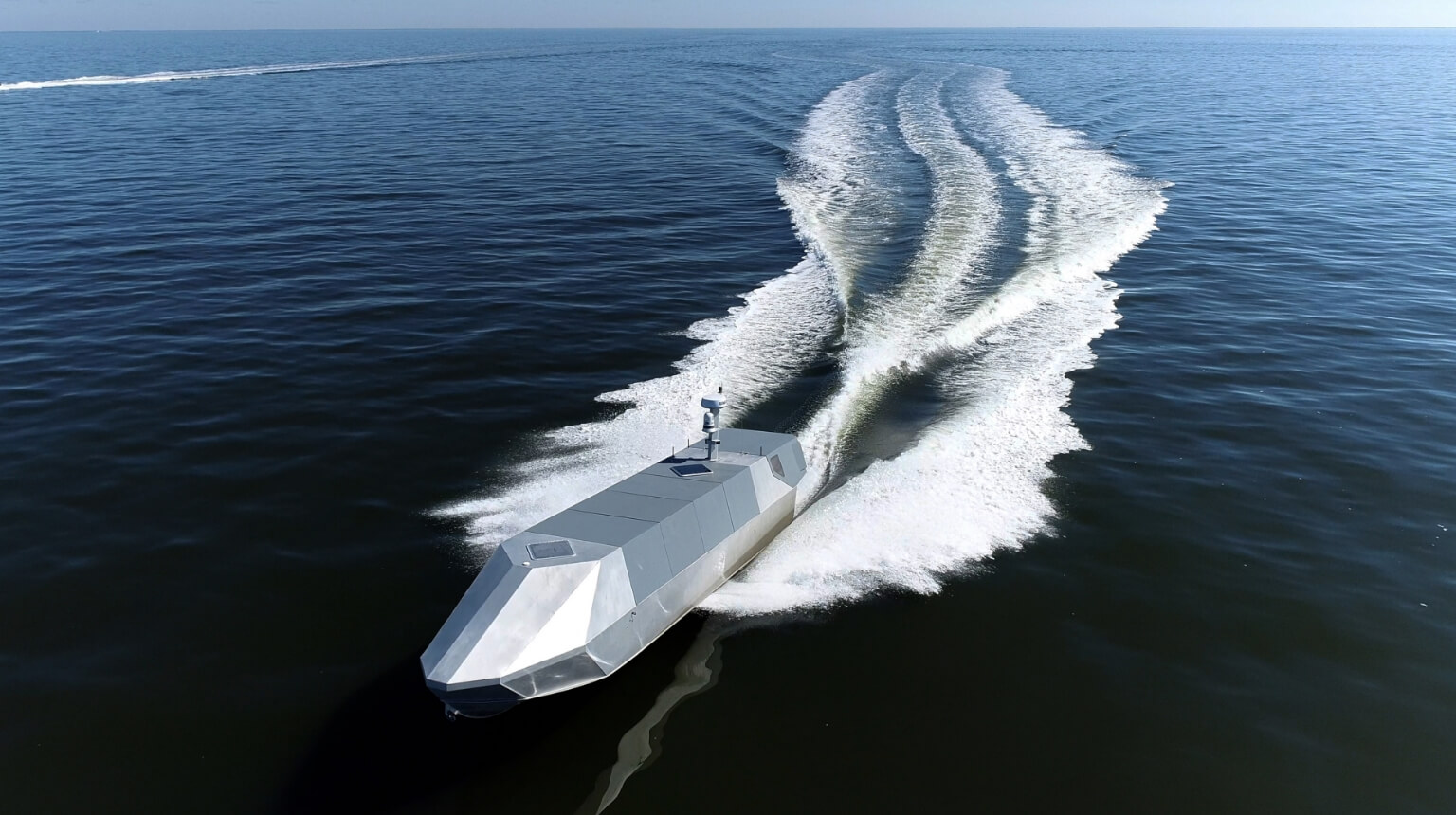
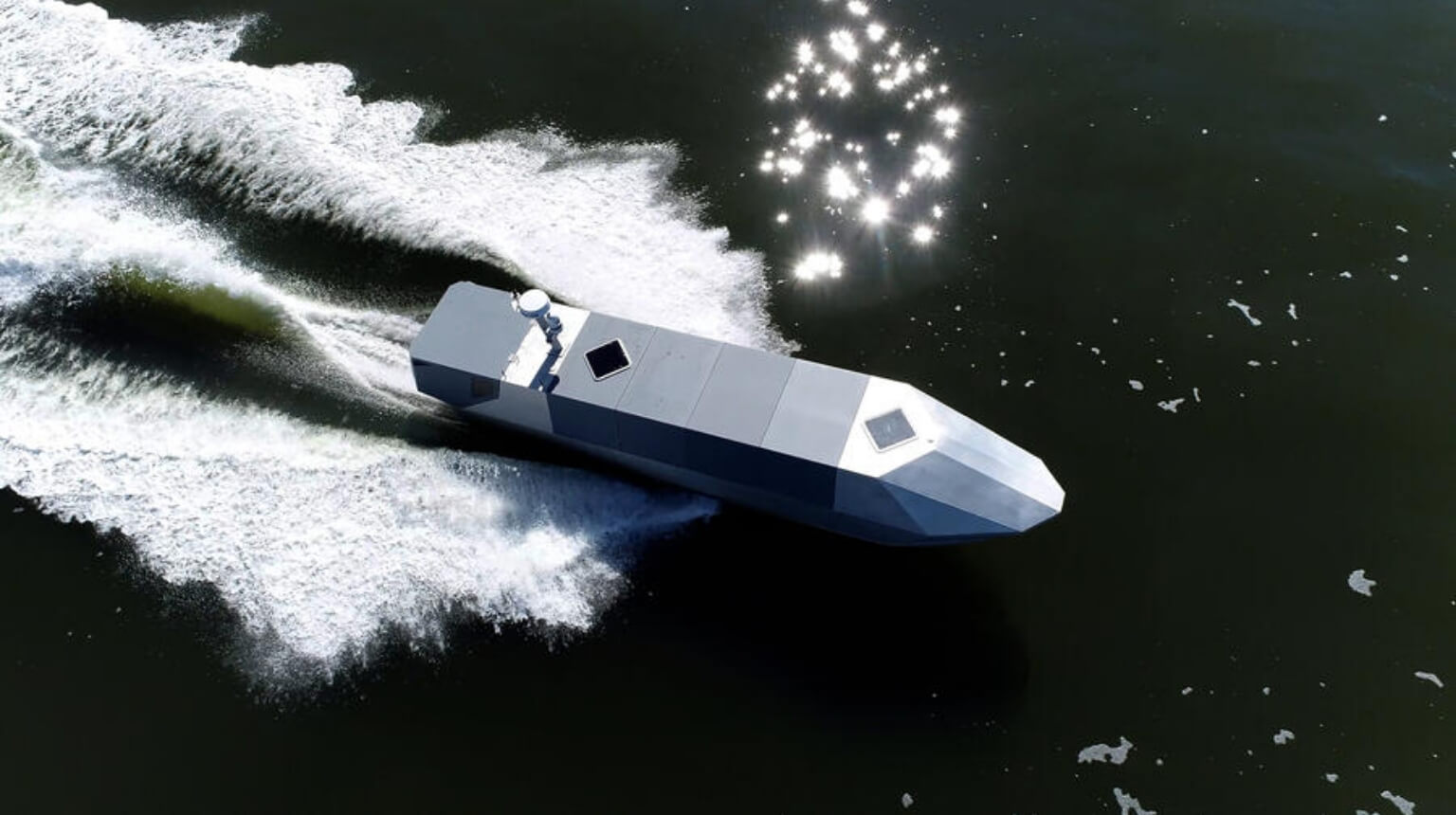
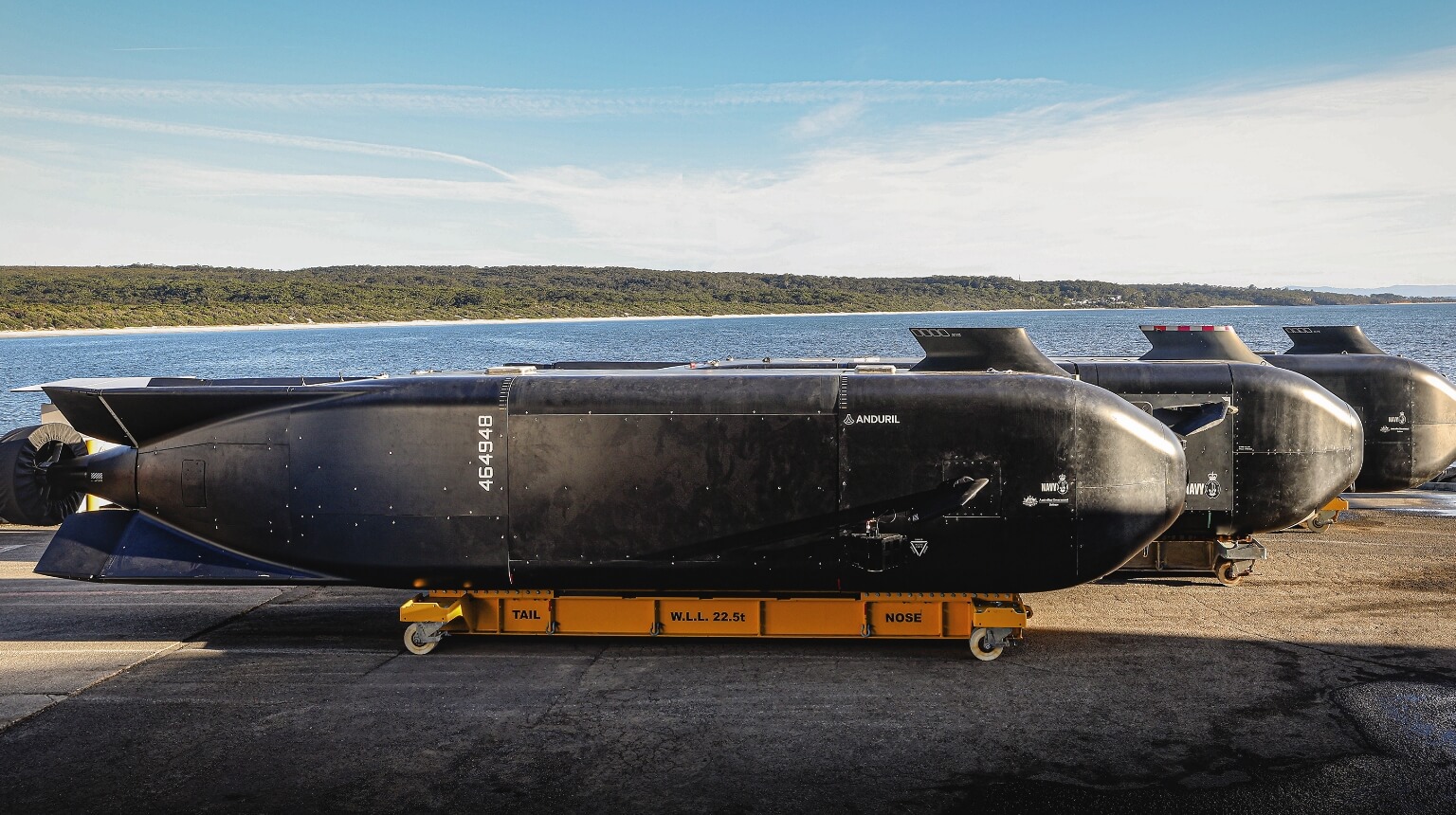
Geoff Searle, director for future business at BAE Systems (surface ships), frames the problem in London: the future fleet will be more distributed, mixing crewed platforms with uncrewed “loyal wingman” vessels to deliver massed, force-multiplying effects. His pitch – echoed by Gavin Rudgley, BAE’s chief engineer for future business and technology – is a system-of-systems approach: larger “command” or air warfare ships operating in concert with smaller picket or wingman vessels that carry anti-air, anti-surface and anti-submarine capabilities.
BAE has put real money behind the pitch: more than £400 million (roughly AU$817 million) has gone into Scottish shipbuilding infrastructure and concept development. The idea is to combine a hub ship with multiple, lower-cost wingmen to generate aggregate missile mass, sensor coverage and resilience – and to do it more cheaply and quickly than building only large, high-end surface combatants.
The Future Air Warfare Command Ship concept
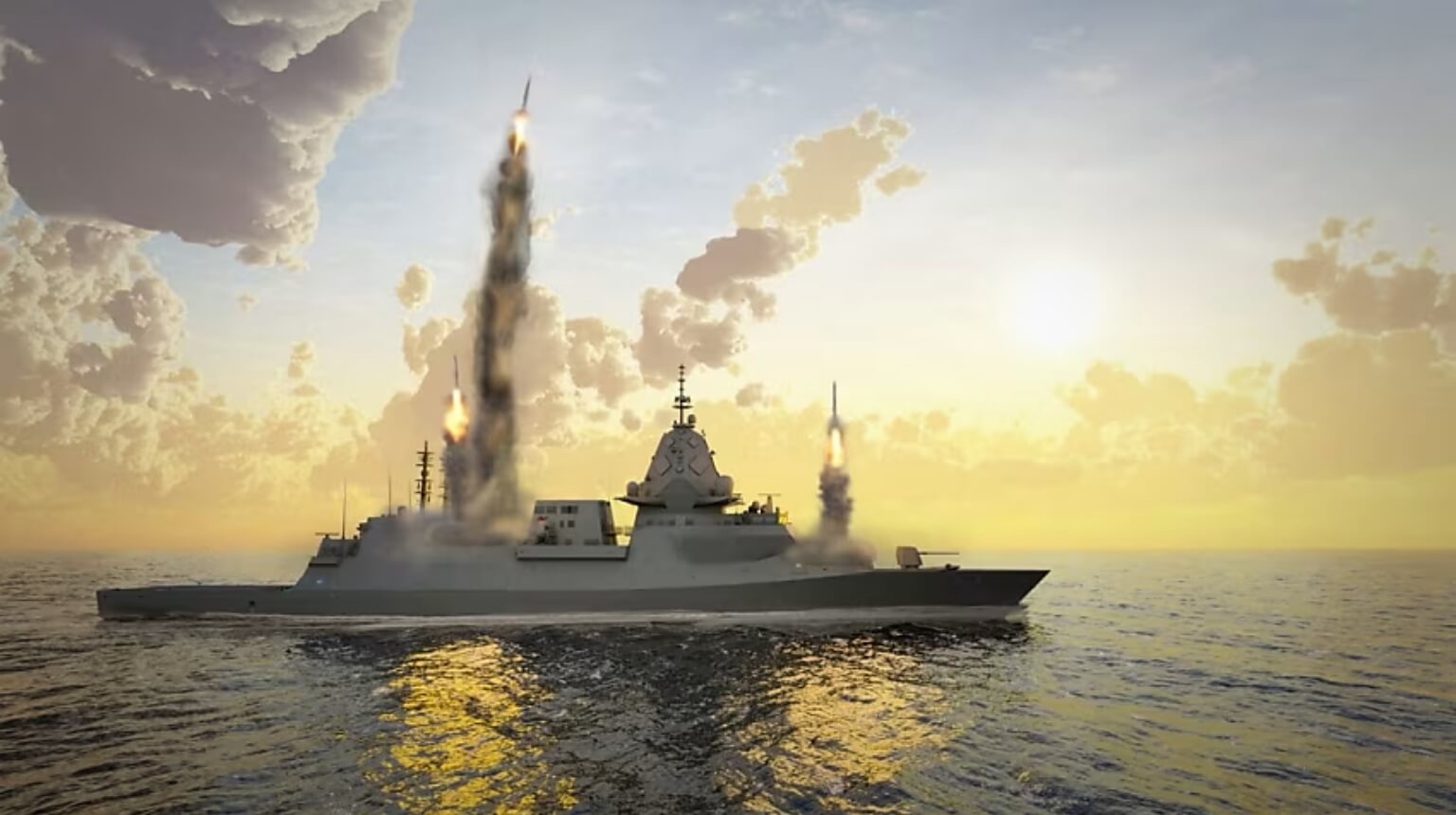
At the centre of BAE’s offer is what it calls the Future Air Warfare Command Ship (FACS) – a conceptual evolution away from the anti-submarine focus of the Type 26 and Australia’s Hunter Class towards a dedicated air warfare and strike node. BAE’s concept drawings borrow heavily from the Type 26/Hunter hull form and propose two hull lengths (about 150 m and 160 m) with up to 128 VLS cells, a 57 mm main gun, defensive close-in systems and a target crew size of no more than 100 personnel.
If realised, the FACS would be optimised for integrated air and missile defence, long-range strike and task-group C2 – deliberately configured as a nodal ship to lead a dispersed force that includes smaller wingmen carrying modest magazines (BAE mentioned a 32-cell loadout for such escorts).
A test for current Australian designs and concepts of operations
That emphasis on magazine depth and distributed operations raises immediate questions for Australia. The Hunter Class – as currently planned – carries a relatively modest VLS load (around 32 cells). If peer adversary scenarios and ballistic missile threats continue to dominate planning assumptions, will a handful of point-defence ships suffice to deliver persistent coverage across Australia’s expanse? BAE’s public concept suggests a different aggregation: fewer but much larger magazines on nodal ships, supported by many smaller, cheaper wingmen that together provide mass and resilience.
If peer adversary scenarios and ballistic missile threats continue to dominate planning assumptions, will a handful of point-defence ships suffice to deliver persistent coverage across Australia’s expanse?”
For Canberra, there are three direct implications. First, the Hobart Class replacement discussion must factor magazine depth, sensor reach and nodal command functions into the baseline requirement rather than treating them as optional add-ons. Second, the “loyal wingman” surface concept – small, networked combatants with modest VLS and specialised roles – deserves fast-tracking as an operational complement to larger air warfare platforms. Third, industrial alignment matters: a design approach that borrows Type 26 lessons could offer commonality advantages if Australia elects to co-operate or adopt allied designs.
Industrial and strategic considerations for Australia
BAE’s investment in shipbuilding infrastructure and the industrial logic behind re-using hull forms point to another lesson: economies of scale and common platforms reduce cost and technical risk. For Australia, partnering on design work or fleet concepts that leverage Type 26/Hunter Class learnings could shorten delivery timelines and reduce developmental uncertainty for a Hobart replacement – provided political appetite and industrial policy are in step.
The concept of an FACS-style vessel built around a large VLS magazine and potent radar has clear strategic appeal: it would deliver the persistent maritime air defence and strike capacity Australia increasingly needs to deter high-end threats. Equally, buying only a few such nodal vessels without an associated fleet of wingmen risks creating brittle, high-value targets.
Bottom line
BAE’s DSEI briefing makes one point plain: the UK is thinking big – not just about bigger ships but about fleets that distribute sensors and effectors across a mix of crewed and uncrewed platforms. For Australia, those ideas are not merely academic. They should feed directly into Hobart Class replacement planning and into how the ADF conceives task group architecture, magazine depth and industrial strategy. If Canberra is serious about persistent regional air and missile defence into the 2040s, the question is no longer whether to build next-generation destroyers, but how many nodal ships and how many wingmen the nation will need – and where it wants them to be built.