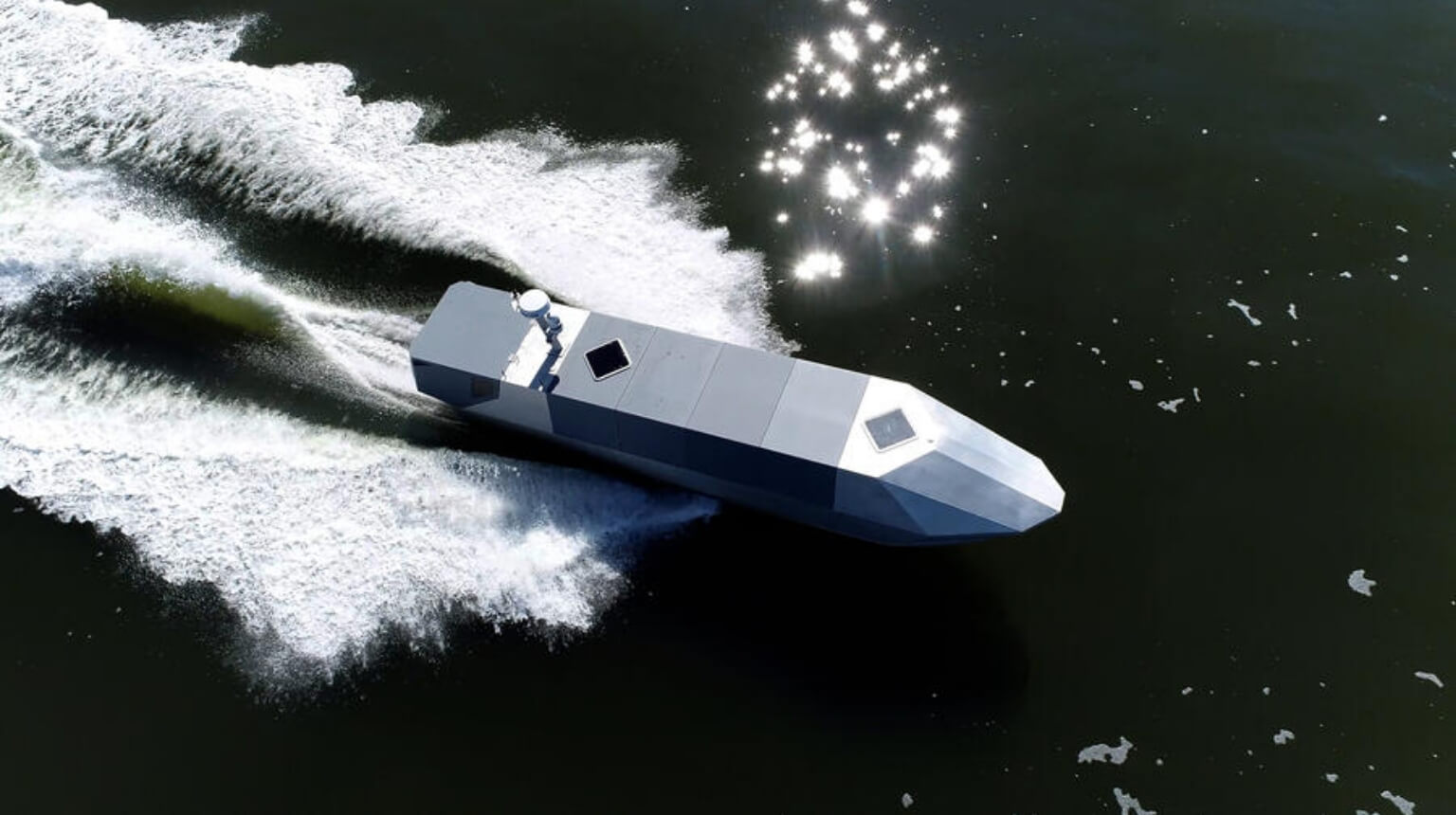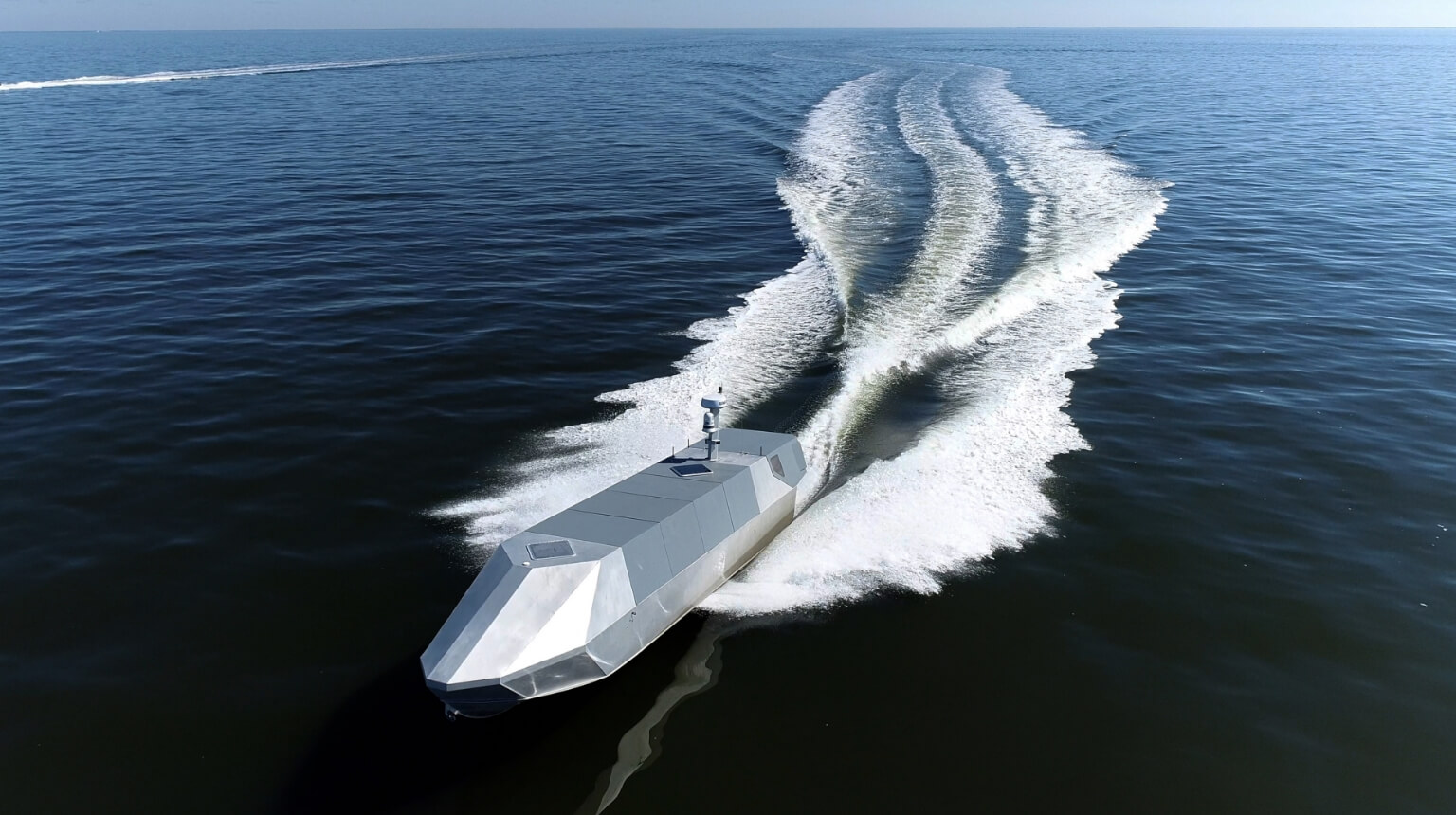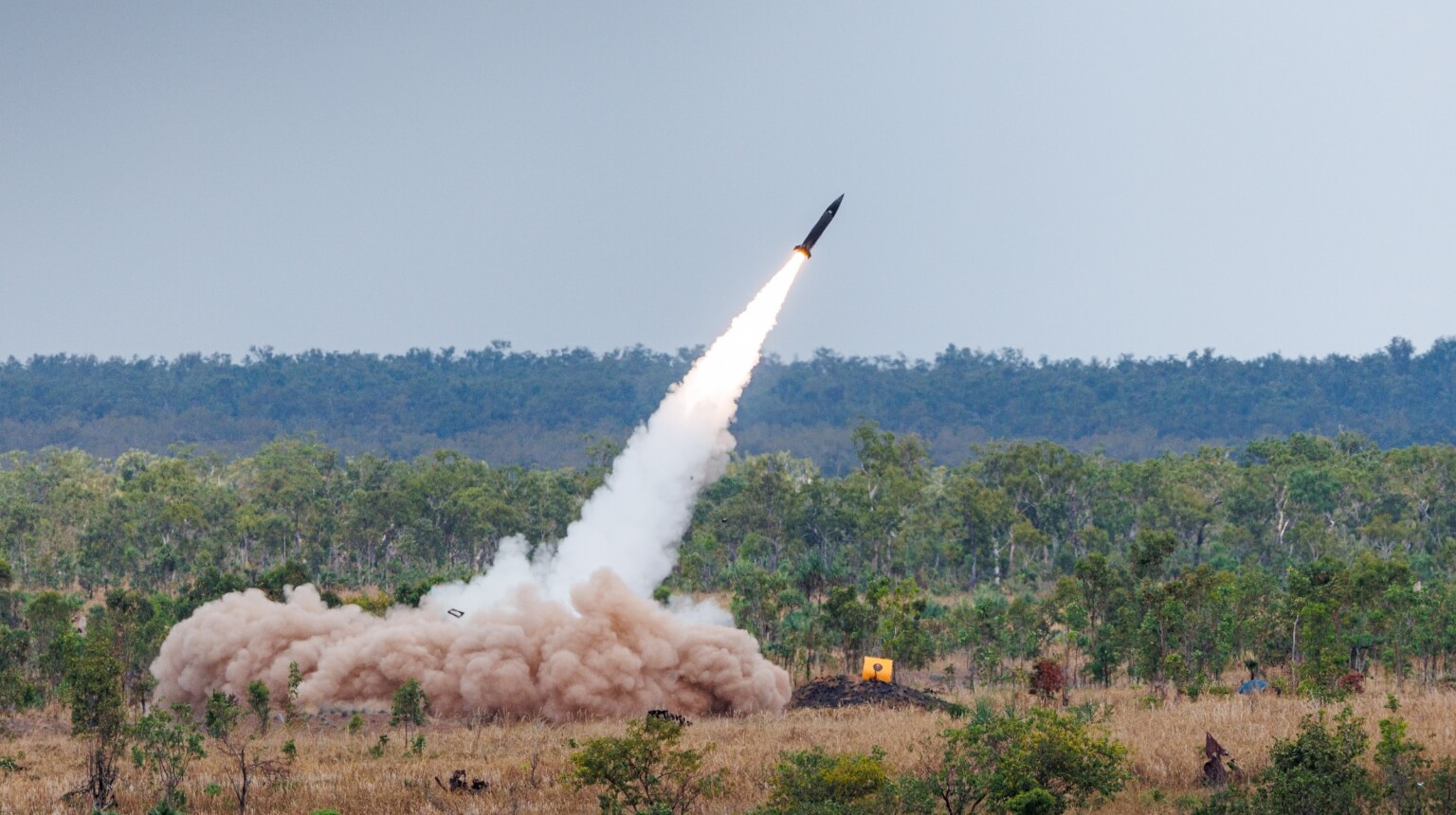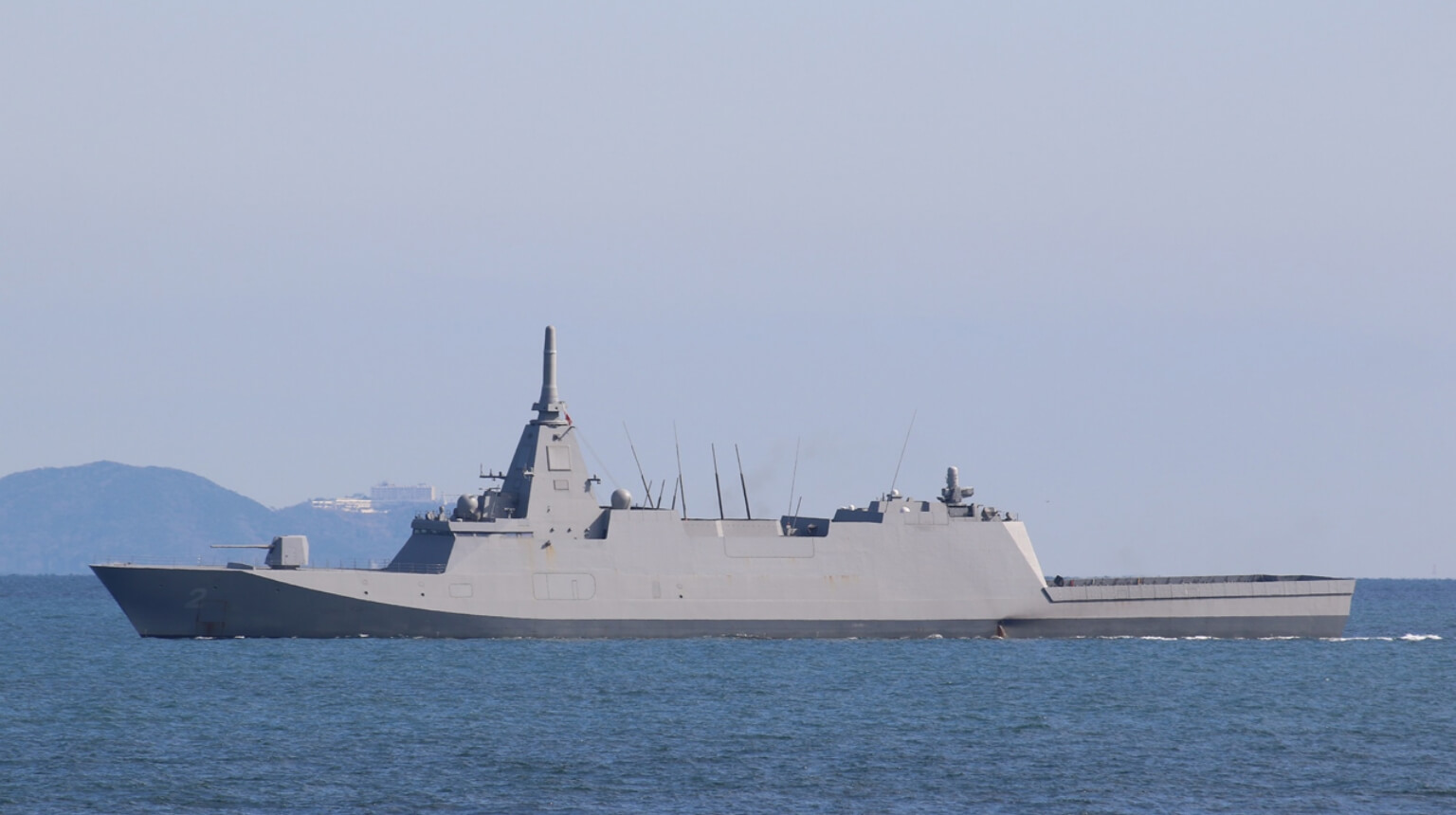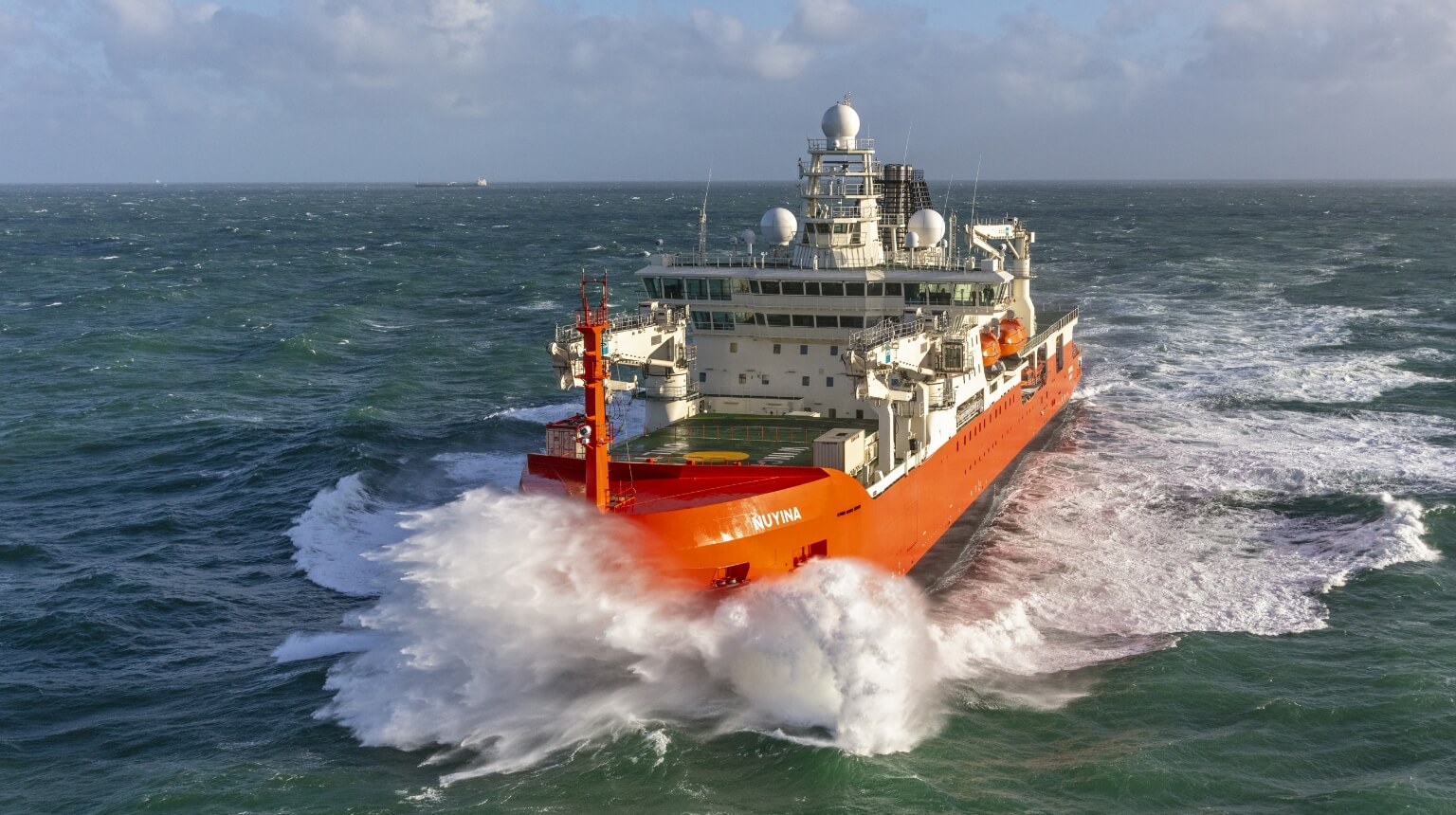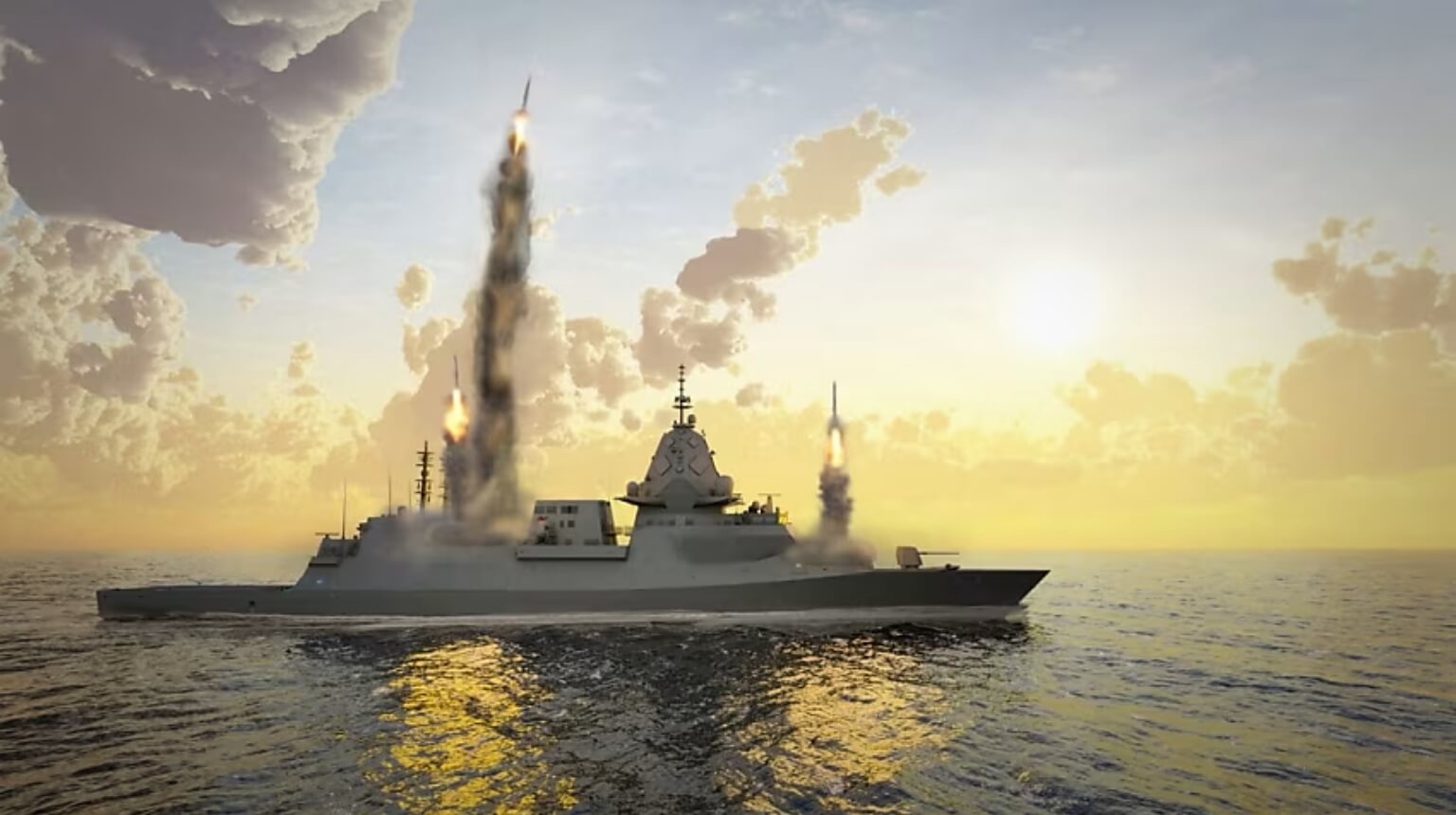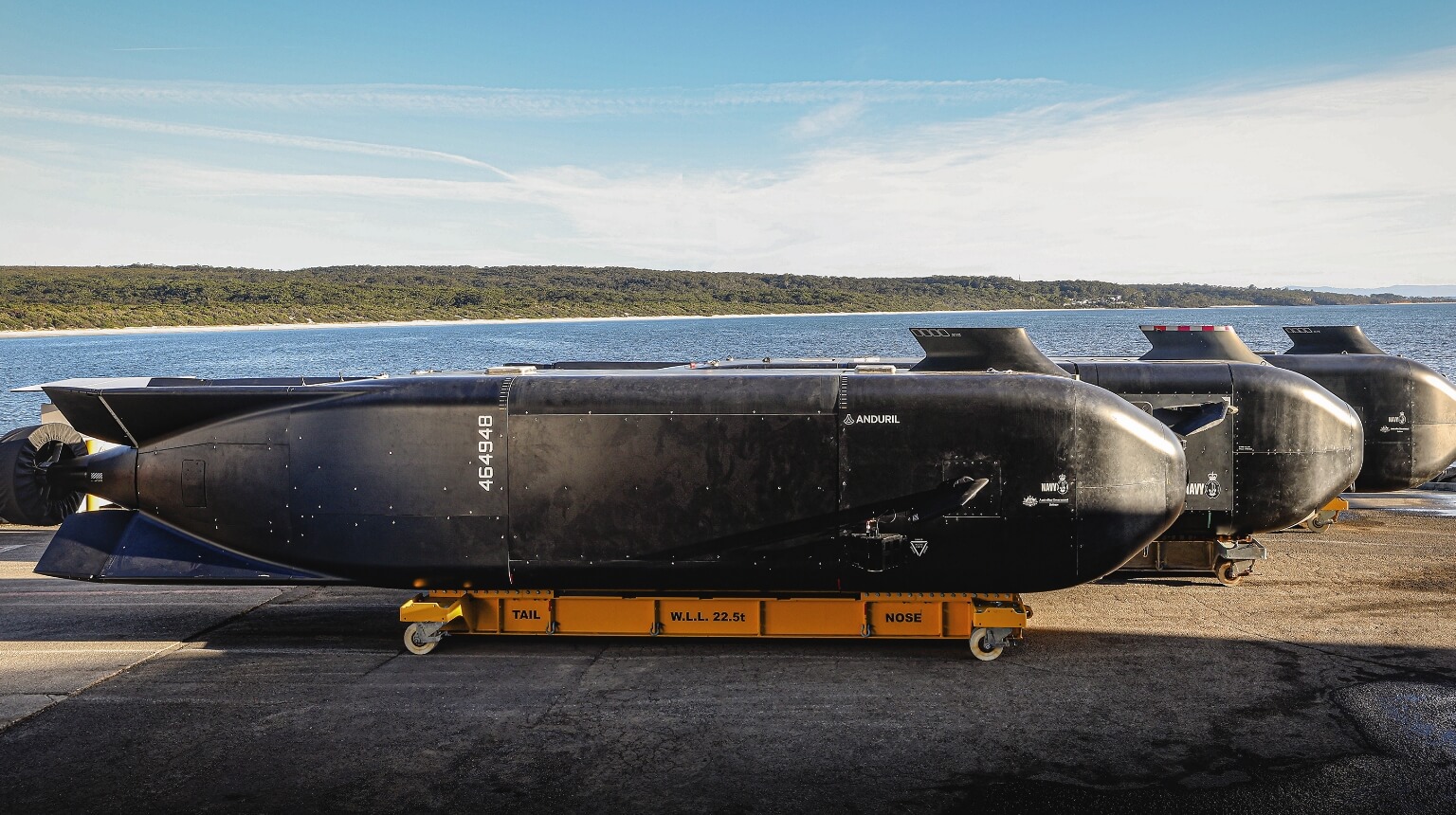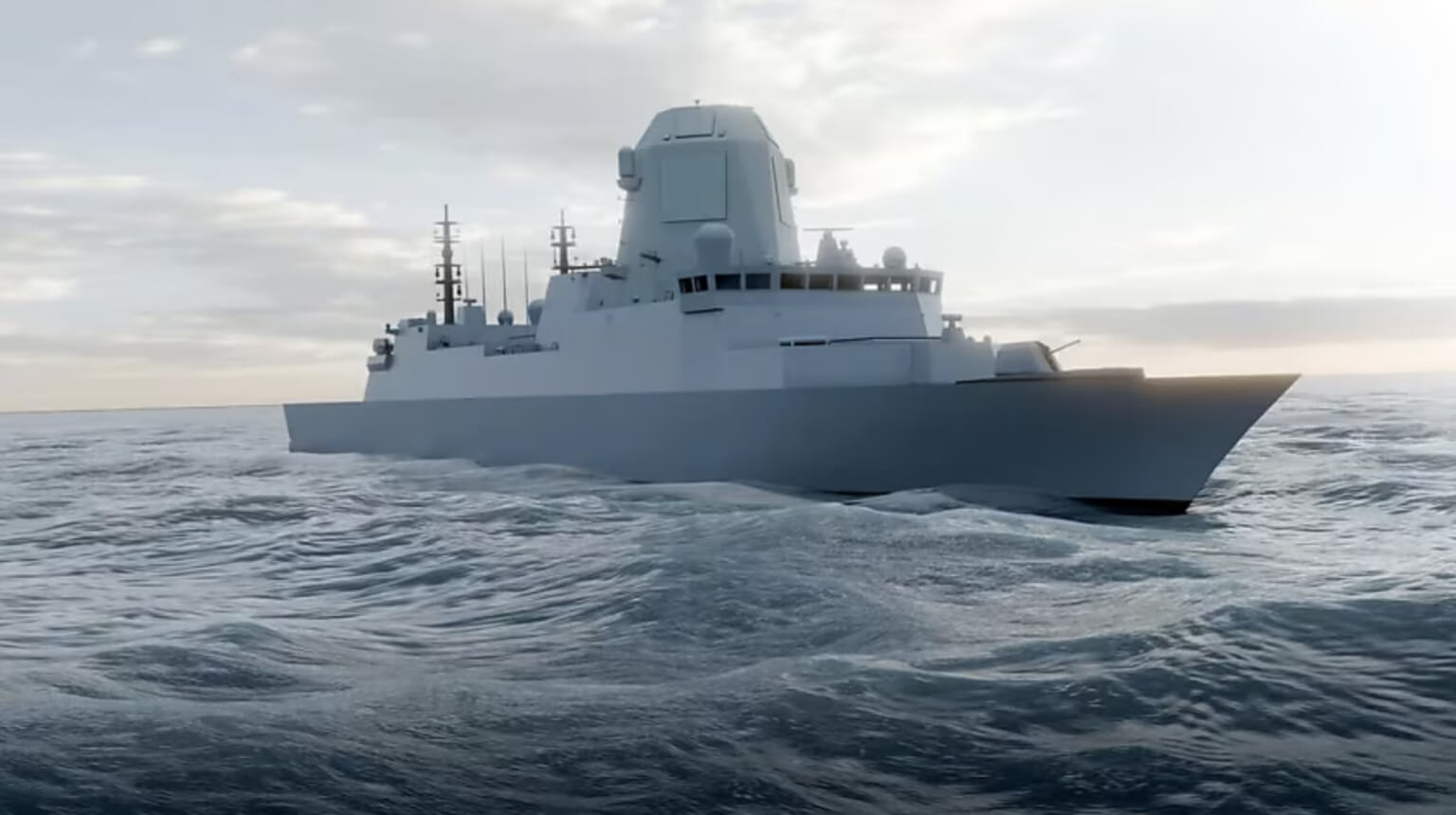


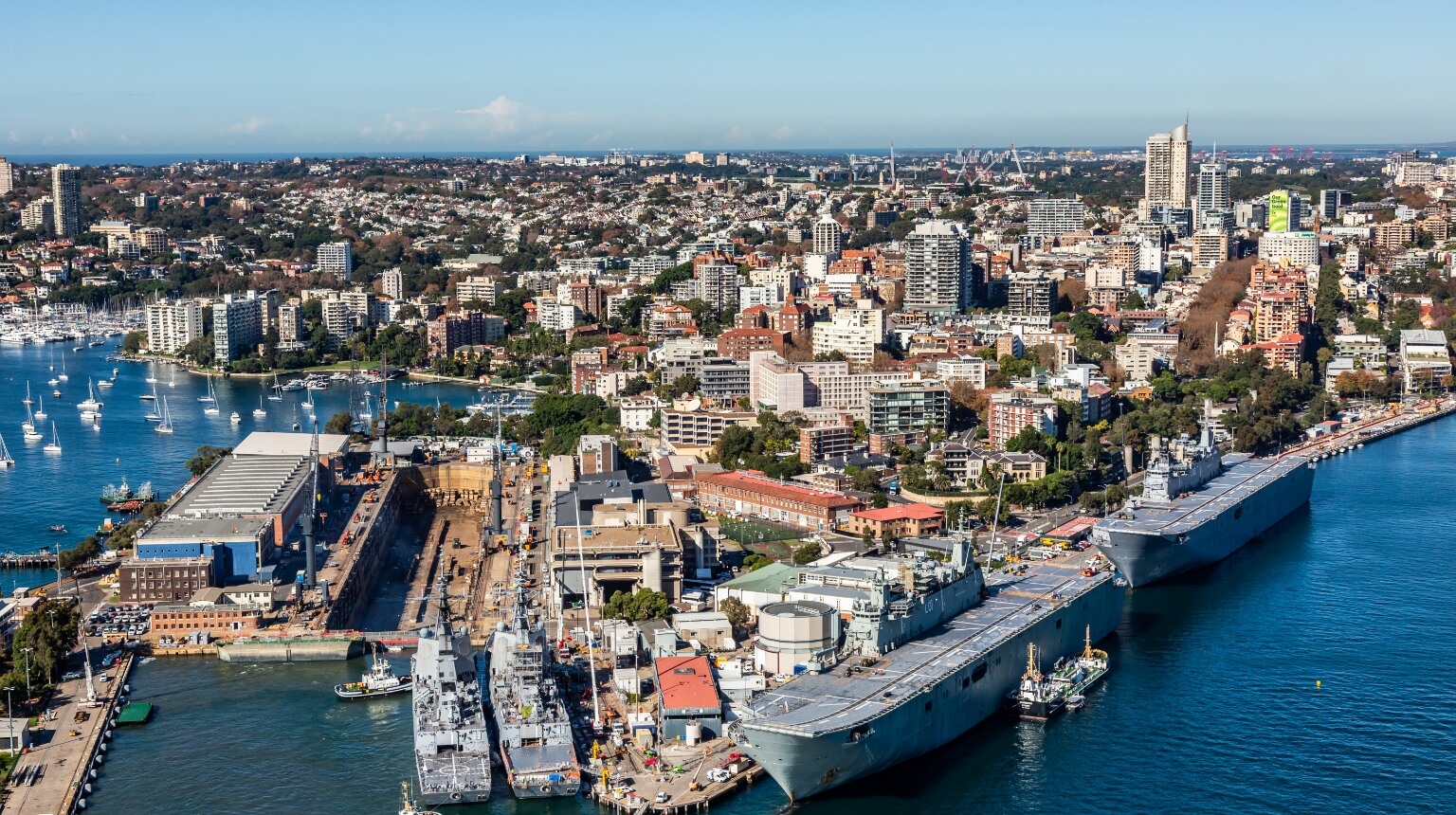
Our response will require upgrades in naval capability. Nuclear-powered submarines, new classes of frigates, autonomous vessels and long-range strike capabilities promise unprecedented reach and lethality.
Yet these cutting-edge platforms will only be as effective as the naval infrastructure, facilities and networks that sustain them.
Without modern, resilient and future-proofed bases, shipyards and support systems, Australia risks fielding advanced ships without the ability to maintain or deploy them at pace.
The history of naval power shows that wars are not won at sea alone. They are won in the shipyards, dry docks and support facilities that keep fleets repaired, armed and ready.
This principle has been demonstrated throughout history, for example, the United States maintains shipyards that date back to the 1800s, which now service nuclear-powered submarines and carriers. Portsmouth Naval Shipyard, built for wooden sailing ships, now maintains Virginia Class submarines.
Australia is in the midst of what government rightly calls a 'generational uplift' in naval capability. This uplift demands infrastructure that matches the ambition: bases and yards designed not for the fleet of today, but for the fleet of 2050 and beyond.”
Pearl Harbor’s newly constructed Dry Dock 5, a US$3 billion investment, is designed to last 150 years. The message is clear: naval infrastructure is a century-spanning investment. When done right, it outlives governments, generations and even entire classes of warships.
Looking to the expected leap in capability, and the need to support the fleet with new infrastructure, Australia has an advantage. Unlike the US, we are not shackled to Victorian-era infrastructure.
Brian Weinstein, Senior Principal Defence Ports and Maritime Leader, Stantec US, explains to Defence Connect the scale and scope of the transformation that is about to change the Royal Australian Navy’s critical shore side infrastructure.
“There are certain facilities that support the operations of any shipyard and the maintenance and overhaul of submarines and ships. The parts and pieces that come off the vessels are transported into buildings to be refurbished or repaired and delivered back to the subs and ships to be reinstalled.”
Weinstein adds, “A lot of thought goes into the infrastructure and also the people and processes and how it all comes together to provide the most efficient infrastructure you can. This must be done while keeping everybody safe and managing the various risks that are inherent in these shipyards (supporting nuclear submarines) or in any shipyard for that matter.”
Our challenge is not one of modernising the ancient, but of building the new in ways that are both resilient and adaptable. That adaptability is crucial. No planner today can perfectly predict the RAN’s requirements in 2080, but infrastructure built with flexibility across deep-water access, expandable berthing, redundant power and water systems, and modular facilities will allow for adaptation without prohibitively costly rebuilds.
The forthcoming decision on an east coast submarine base illustrates the stakes. Wherever it is located, this base will serve as a cornerstone of Australia’s nuclear-powered submarine enterprise. The choice of location will shape not only fleet operations but also surrounding infrastructure, workforce pipelines and supporting industries for generations.
Once selected, the base must be developed with a comprehensive master plan that integrates base facilities with national logistics networks: road, rail, energy grids, and digital systems. A piecemeal or risk-averse approach risks creating bottlenecks that could cripple availability at the very moment the capability provided by submarines or other naval platforms are most needed.
Scott Keane, Market Leader Ports and Maritime, Stantec Australia, says, “Efficient infrastructure comes from thoughtful design – bringing together people, processes and safety to support shipyards for generations. Obviously there are design standards to be met, irrespective of whether it’s a nuclear-powered submarine or commercial bulk shipping infrastructure for a port. But the big issue we have here in Australia is that we’re still developing a lot of those guidelines or specifications, particularly around the (nuclear) risk criteria.”
Similarly, work at Osborne in South Australia and Henderson in Western Australia is laying down the bones of the RAN’s future.
These facilities must be designed with “efficient flow” in mind: minimising wasted time and movement, ensuring workers and parts can reach ships quickly, and building redundancy into every system.
“The real challenge here is adaptability and flexibility of the infrastructure, because we don’t know what the ships are going to require, whether they’re subs or surface fleet in 50 years, 100 years. So, there’s got to be a degree of flexibility without being, again, so extensive that it’s just not economical to build. And that comes back to that initial operating capability, capacity and some flexibility for future,” Keane adds.
As US studies have shown, poorly designed yards can add the equivalent of an entire circumnavigation of the globe in inefficient footsteps by workers each day. Efficient layouts are not a luxury, they are the difference between ships returning to sea on time or languishing in dock while adversaries gain the upper hand.
Infrastructure is not just bricks and concrete. It is also the energy, water, digital, transport networks that connect bases to the nation. Resilience requires redundancy. Naval facilities cannot be reliant on single power or water feeds, they must be hardened against cyber disruption and natural hazards.
With the growing risk of protracted high-intensity conflict, the ability to sustain operations for months or years depends on robust logistics pipelines, protected data systems and secure industrial supply chains.
This extends beyond bases to include rearming and resupply nodes at locations such as Eden, Townsville and Cairns, each with its own climatic and geographic challenges.
Workforce is another pillar of infrastructure. The mining sector shows that Australia can sustain large, technically skilled workforces in remote or regional areas if the work is attractive and well-paid.
Keane stresses that these challenges aren’t insurmountable, saying, “While we don’t get involved in the workforce planning part so much, the mining sector is actually a great opportunity for Australia to support some of the heavy industry, heavy industrial facilities and activities on these bases. However, developing sovereign capability fundamentally centres on the development of nuclear expertise.”
Naval bases offer something more: long-term, secure jobs located in or near major cities, without fly-in fly-out instability. Shipyards that foster “family industries”, as seen in the US, can create generational expertise and loyalty. But this requires consistency – no more “valley of death” in shipbuilding, where skills are lost during lulls between projects.
A steady pipeline of work, underpinned by STEM education and apprenticeships, will be vital.
Tony Rogers, Market Leader, Defence at Stantec, says, “From an economic standpoint, it is a massive endeavour to not only build ships but to overhaul and maintain them. And if you spread yourself too thin, you’re not going to develop that expertise and inherent workforce that can come together and grow the capability over generations.”
The Defence Strategic Review and National Defence Strategy both recognise that maritime resilience is synonymous with national resilience. Ninety-nine per cent of Australia’s trade arrives by sea. Protecting that lifeline requires not only ships but the infrastructure to keep them at sea.
The long-awaited east coast submarine base, upgrades at Stirling, Henderson and Osborne, and dispersed facilities along the northern and eastern seaboards will form the backbone of our national security.
The stakes are high. If we get the “bones” of naval infrastructure wrong now, Australia risks paying the price for a century.
But if we plan wisely – learning from allies, adopting flexible standards, embedding redundancy and investing in workforce and networks – we will build more than bases. We will build the foundations of Australia’s security and prosperity for generations to come.