

The Hobart Class: A transformational but finite leap
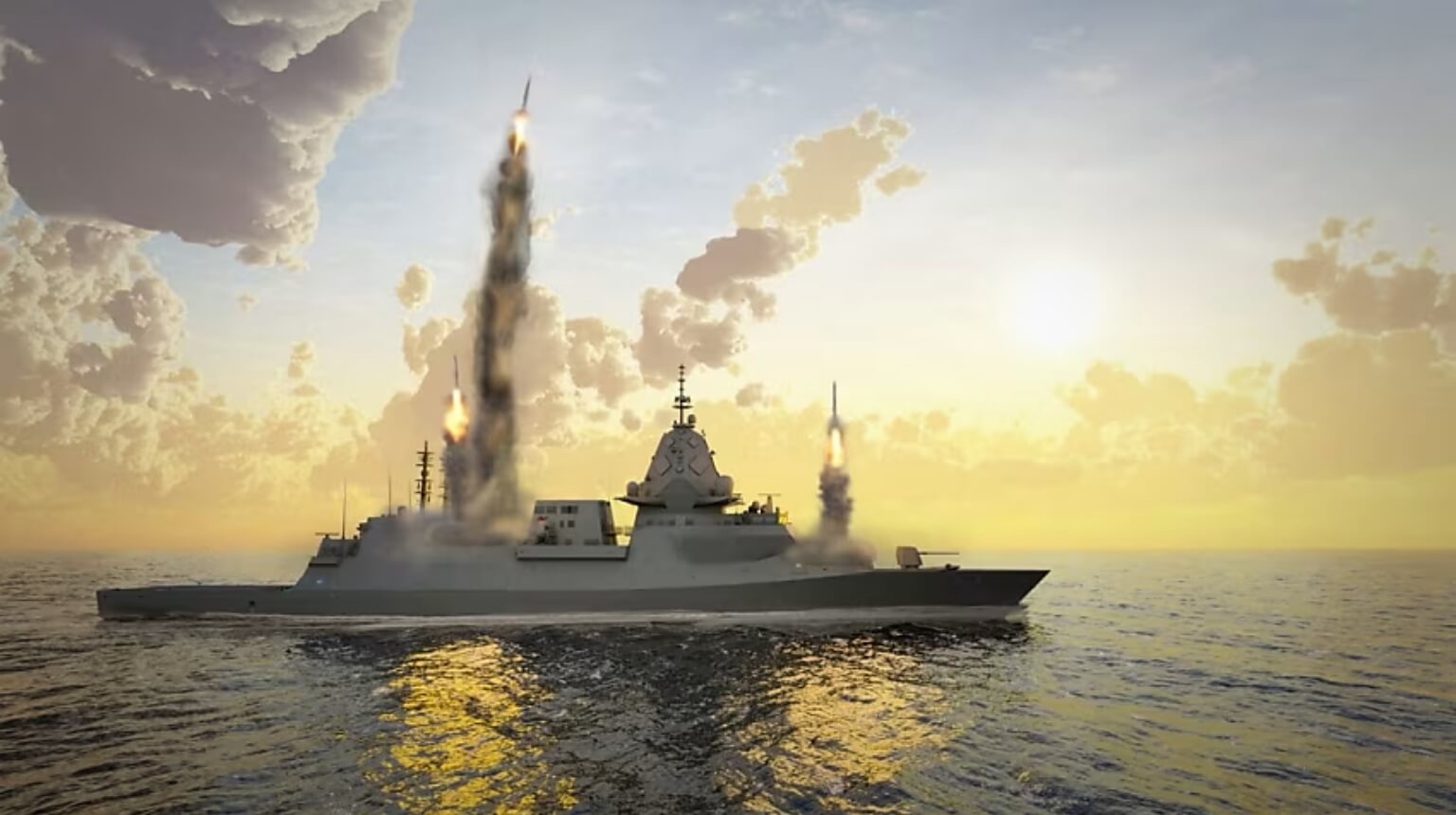
When conceived in the early 2000s, the Hobart Class Air Warfare Destroyer program represented a step change in Australian naval capability. Designed to replace the ageing Adelaide Class frigates, the Hobart program sought to provide a platform capable of shielding joint and naval forces from advanced air and missile threats.
Based on Spain’s F-100 Álvaro de Bazán Class design and fitted with the Aegis Combat System and AN/SPY-1D(V) radar, the ships were the most sophisticated surface combatants ever to serve in the Royal Australian Navy. Construction began in 2009 under ASC in Adelaide, though the project faced well-documented delays, cost overruns and early production issues.
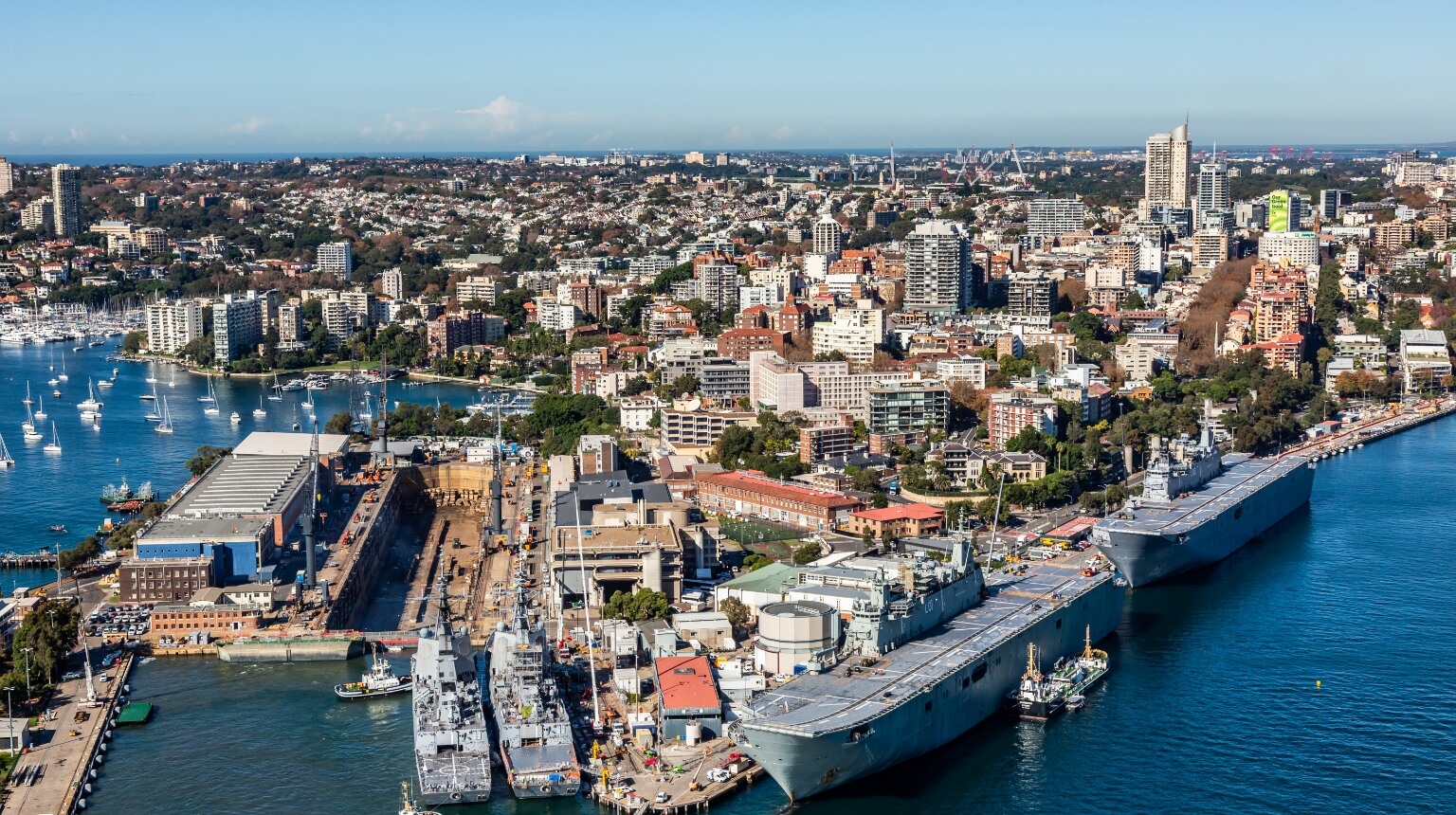
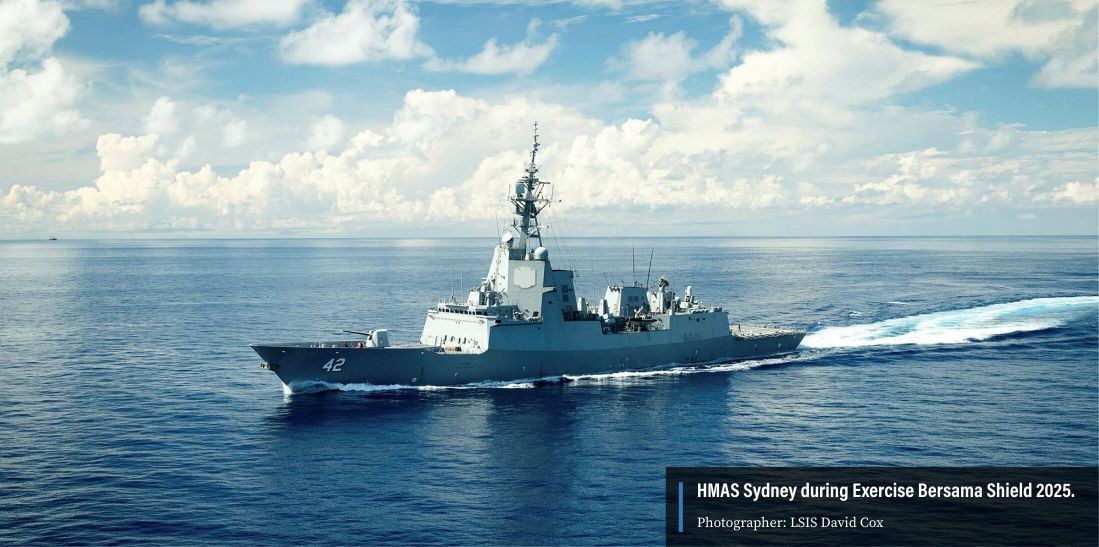
Despite the challenges, the class ultimately delivered. HMAS Hobart (commissioned in 2017), Brisbane (2018), and Sydney (2020) have emerged as formidable multi-role combatants – integrating seamlessly with US and allied forces, excelling in missile defence and serving as highly capable task group command platforms.
However, as Australia’s strategic environment became increasingly complex and contested, questions arose about the scale and longevity of the three-ship class. Even with its world-class sensors and combat systems, the Hobart Class cannot provide persistent air and missile defence coverage across Australia’s vast maritime approaches.
 \
\
From upgrades to replacement
The Defence Strategic Review (2023) and Surface Combatant Fleet Review (2024) have both affirmed the Hobart Class’ central role in Australia’s surface combatant force – approving upgrades, including Tomahawk land-attack cruise missiles, improved air defence effectors, and modernised sensors. These improvements will keep the ships operationally relevant into the 2030s.
But Defence planners have already begun looking beyond. A future air warfare destroyer – potentially larger, more heavily armed and fully integrated into allied sensor and strike networks – is now on the horizon.
This future destroyer must do more than defend against missiles; it must act as a central node in Australia’s deterrence architecture, defending northern approaches, projecting power and supporting the future submarine fleet in high-intensity combat environments.
Enter the Mogami and a deeper Japan partnership
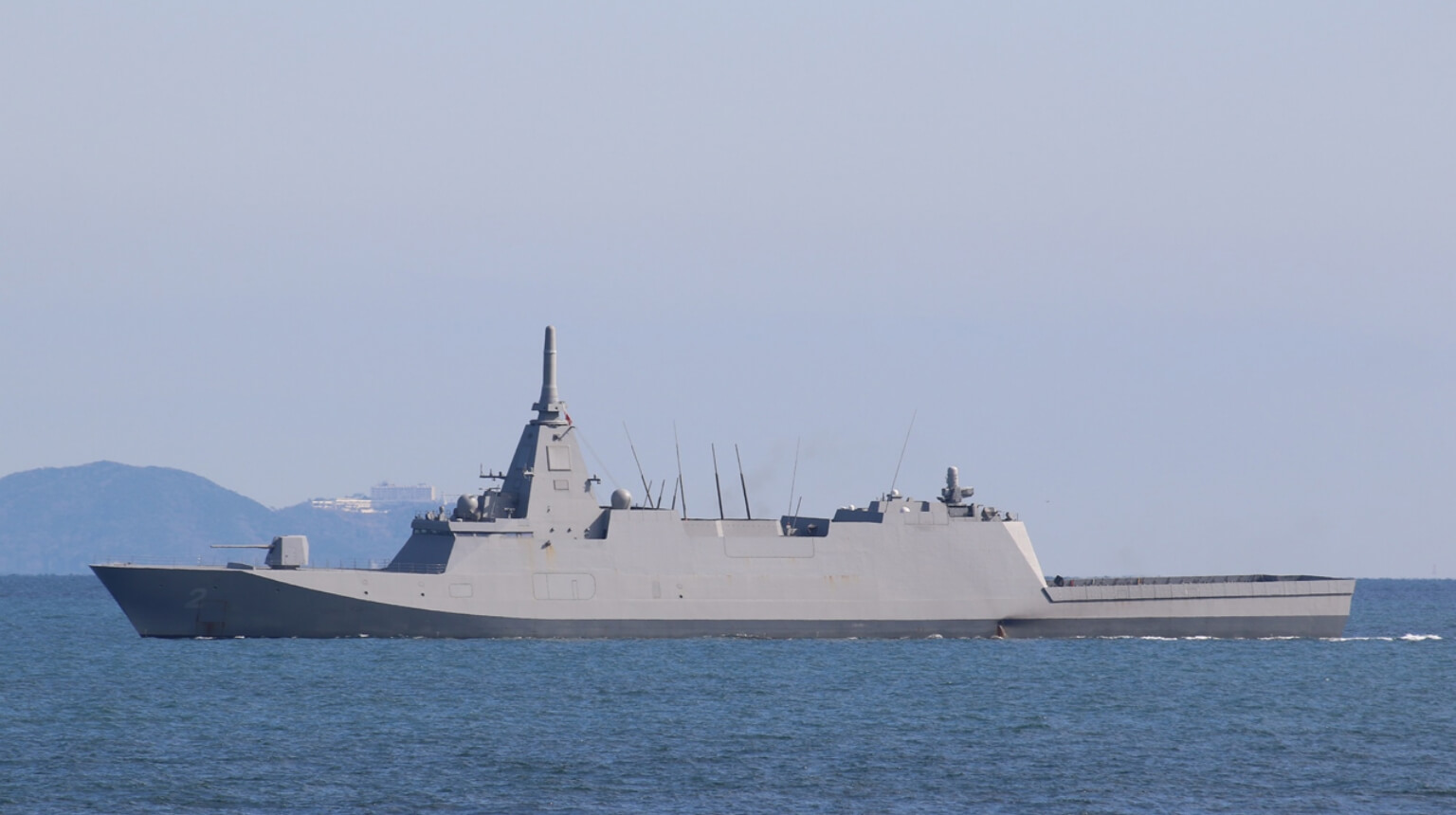
Canberra’s decision to acquire Japan’s evolved Mogami Class guided missile frigates under the AU$10 billion SEA 3000 General Purpose Frigate program provides an industrial and strategic bridge to something bigger.
The Mogami acquisition deepens Australia’s defence-industrial partnership with Japan – its most technologically advanced regional security partner – and lays the groundwork for collaboration on larger, more capable warships.”
The Mogami acquisition deepens Australia’s defence-industrial partnership with Japan – its most technologically advanced regional security partner – and lays the groundwork for collaboration on larger, more capable warships.
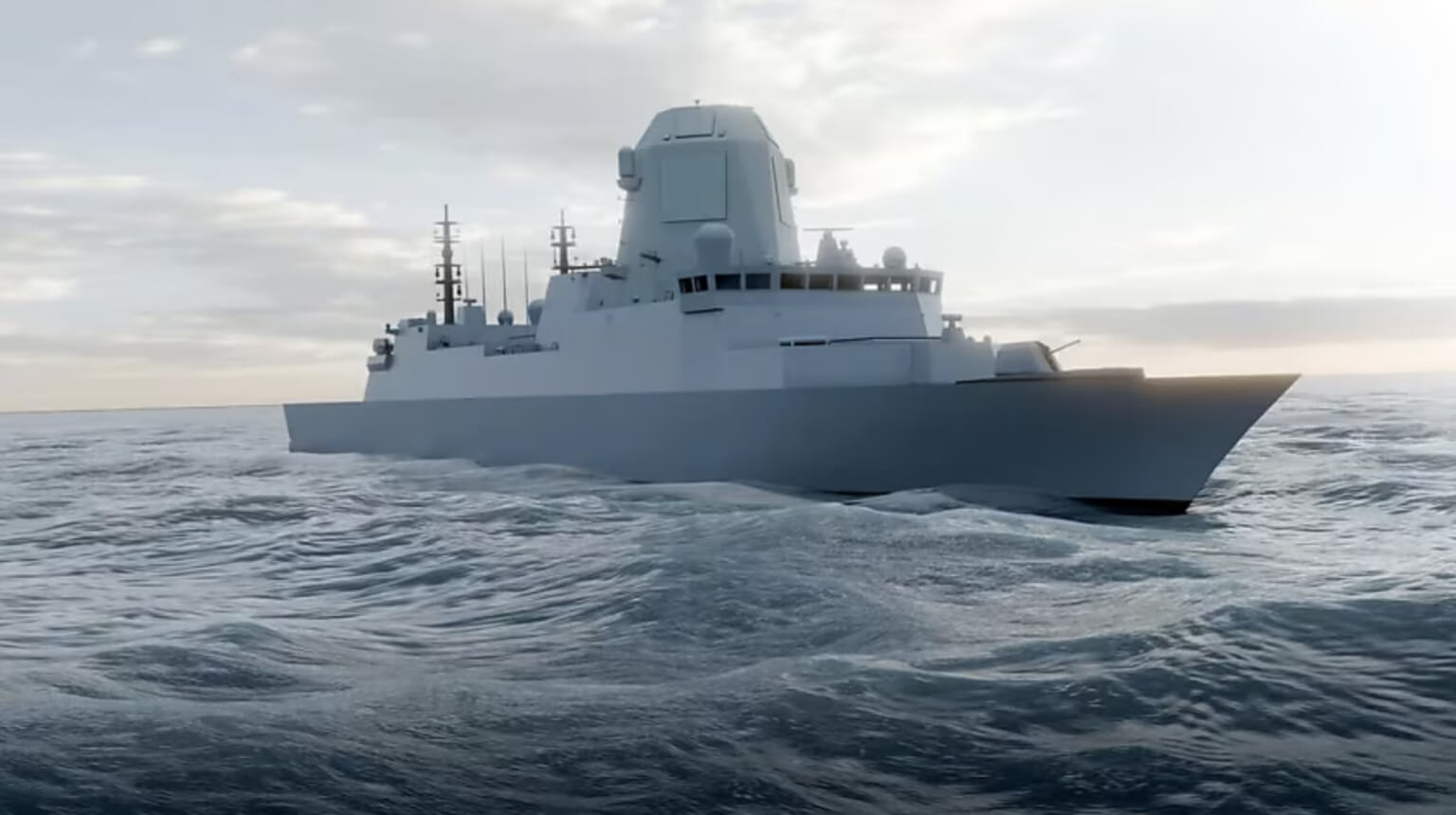
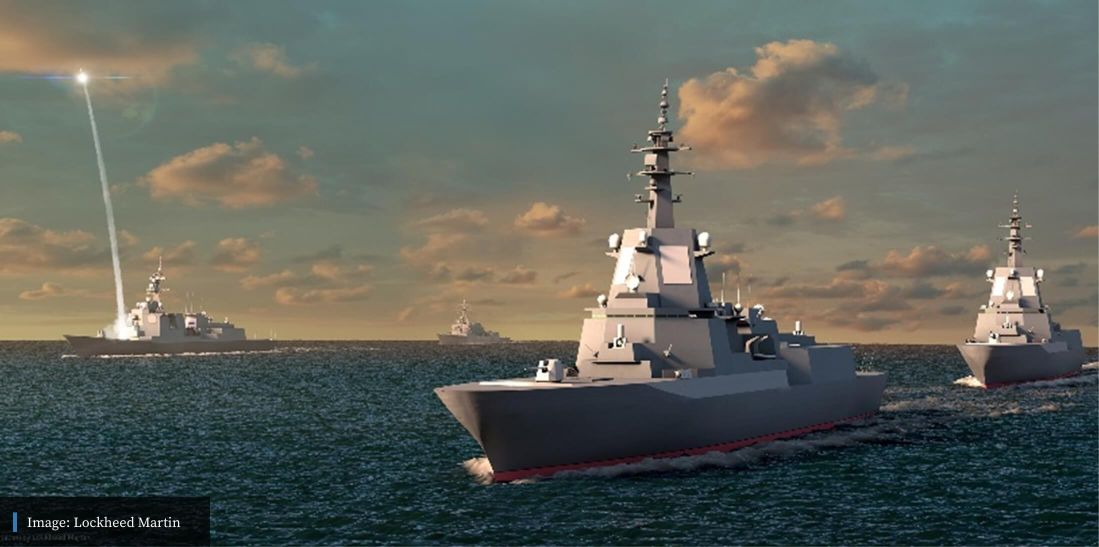
In this context, Japan’s in-development Aegis System Equipped Vessel (ASEV) presents a compelling opportunity. Designed by the Japan Maritime Self-Defense Force to deliver national ballistic missile defence and full-spectrum maritime combat capability, the ASEV embodies precisely the characteristics Australia will seek in its next-generation destroyer.
The ASEV: A blueprint for a future Australian destroyer
Stretching 190 metres in length and displacing around 12,000 tonnes (rising to over 14,000 tonnes fully loaded), the ASEV dwarfs the Hobart Class. It incorporates the powerful AN/SPY-7 active electronically scanned array radar – offering roughly five times the tracking capacity of the Hobart’s SPY-1D(V) – and the latest iteration of the Aegis Combat System.
Its firepower is equally impressive: 128 vertical launch cells, split evenly fore and aft, capable of deploying Standard Missiles (SM-3, SM-6), Tomahawks, Japan’s Type 12 anti-ship missiles and other advanced effectors. This represents nearly triple the missile capacity of a Hobart Class destroyer, delivering the kind of layered defence and long-range strike capability Australia will require well into the 2040s.
Critically, the ASEV is designed for operations in high-threat environments against peer adversaries – precisely the scenarios Australian planners now consider credible.
Strategic logic and industrial opportunity
While Japan’s immediate intent for the ASEV lies in ballistic missile defence, its size, systems and versatility make it an ideal foundation for an Australian variant – a notional “ASEV-A” – co-developed to replace and expand upon the Hobart Class.
A fleet of six such ships, built in Australia under a joint production framework, would dramatically enhance the RAN’s air warfare, strike and command-and-control capacity. Shared Aegis architecture would ensure seamless interoperability with Japanese and US forces, while common missile types – SM-6 and Tomahawk – would simplify logistics and align operational doctrine.
From an industrial standpoint, this approach dovetails neatly with the government’s ambition for a continuous naval shipbuilding enterprise. With the Mogami program already slated for construction at Henderson, Western Australia, the ASEV partnership could leverage the same industrial base, workforce and supply chain – maximising economies of scale and reducing design risk.
A strategic bridge to the future
The ASEV represents more than a capable warship – it symbolises a potential evolution in Australia’s strategic posture.
By partnering with Japan on a co-developed variant, Australia could acquire a credible successor to the Hobart Class that not only strengthens deterrence and resilience but also reinforces a new era of allied industrial cooperation in the Indo-Pacific.
As regional tensions sharpen and the line between defence and deterrence continues to blur, the Mogami partnership could indeed prove to be the first step towards something larger: a shared, sovereign and sustainable maritime capability that anchors Australia’s defence strategy for decades to come.