






Maritime control and Australia’s strategic future
Control of the seas has once again become the defining measure of power in the Indo-Pacific. Across the world’s most contested maritime region, the competition for dominance is reshaping trade routes, defence postures, and the balance of global influence. For Australia, a nation whose prosperity and security are inseparable from the oceans that surround it, the implications are profound.
The Indo-Pacific is no longer a benign strategic environment. China’s rapid naval expansion, the growing assertiveness of regional powers, and the militarisation of critical waterways such as the South China Sea and the Taiwan Strait have fundamentally altered the regional balance. Where once Australia could rely on uncontested sea lanes and the overwhelming maritime supremacy of the United States, it now faces an era defined by uncertainty, coercion and the return of great power rivalry.
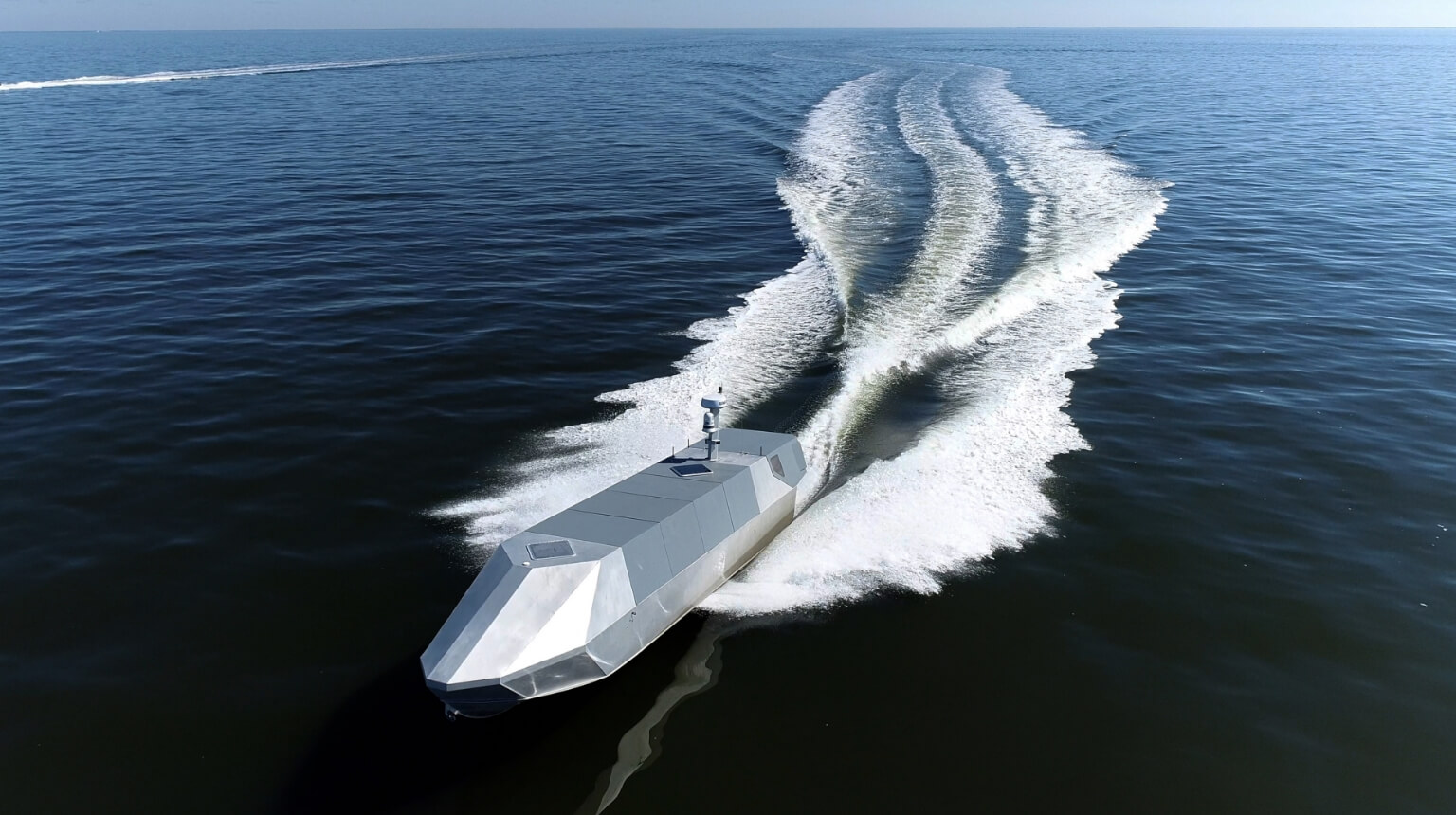
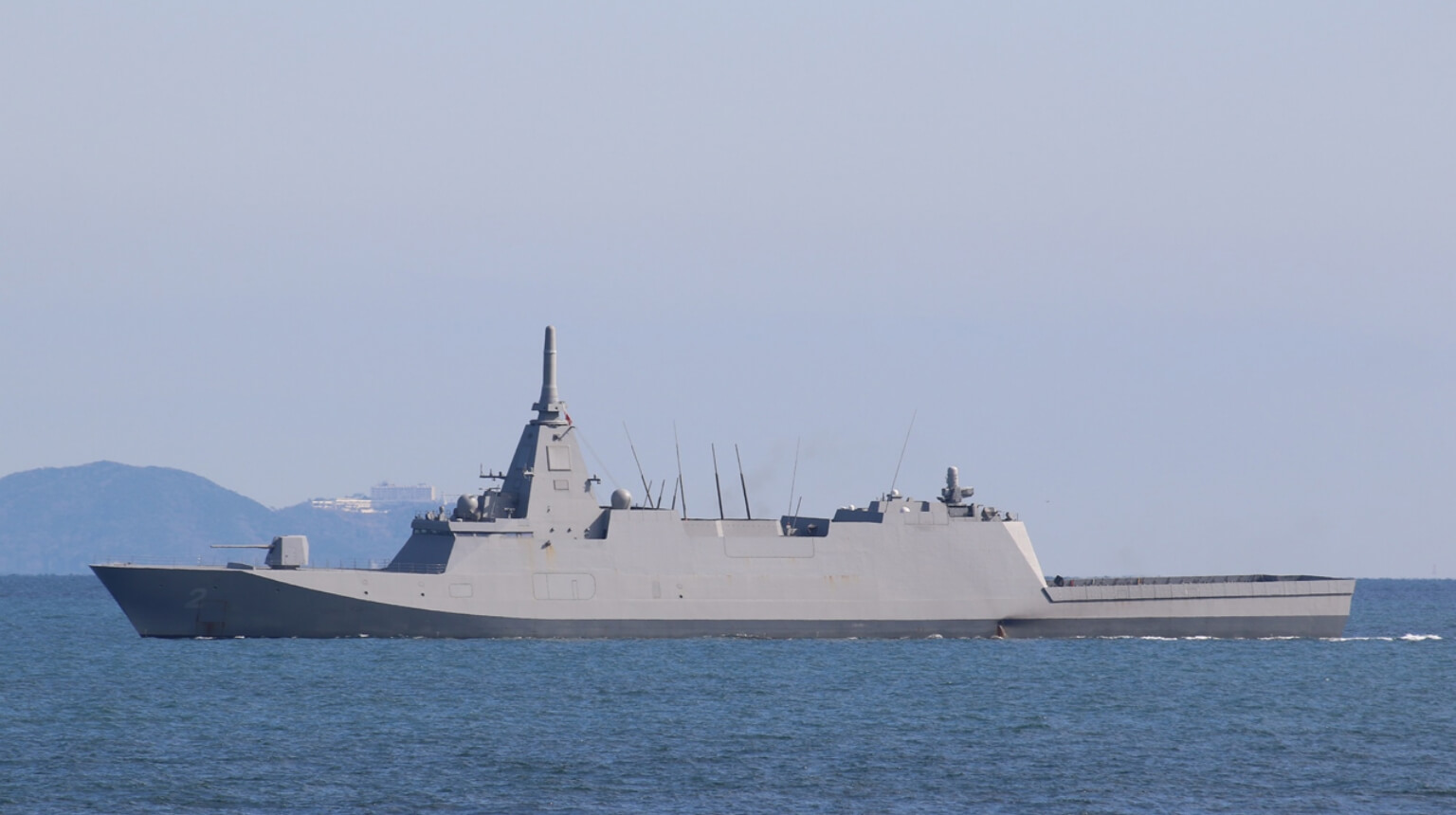
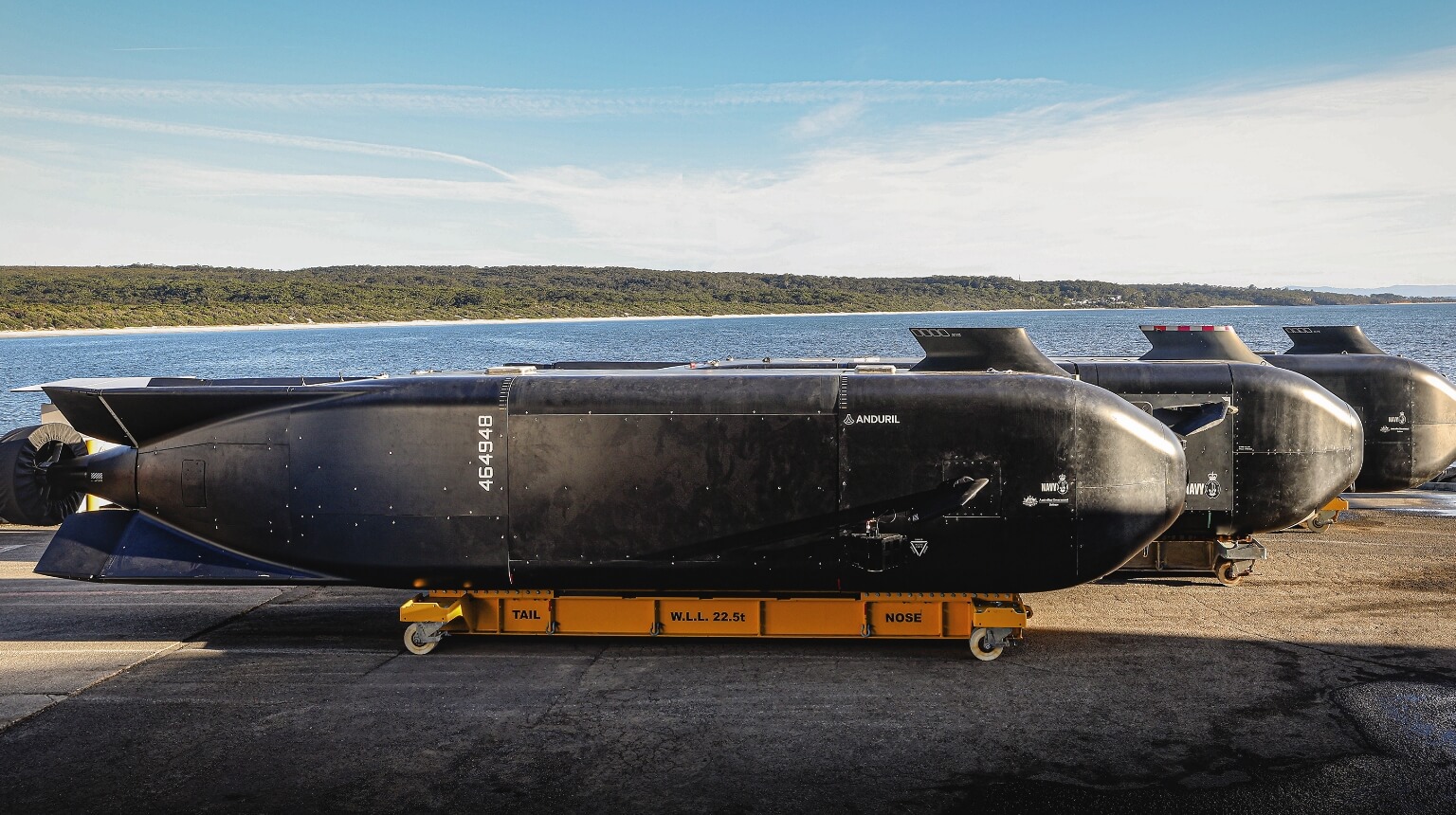
Maritime control – the ability to secure sea lines of communication, protect trade and project power across distance – has emerged as the new currency of strategic influence. It is no coincidence that the world’s major powers are pouring investment into fleets, submarines, autonomous systems and maritime strike capabilities. The capacity to dominate or deny access to key maritime choke points will increasingly determine who sets the rules of the regional order.
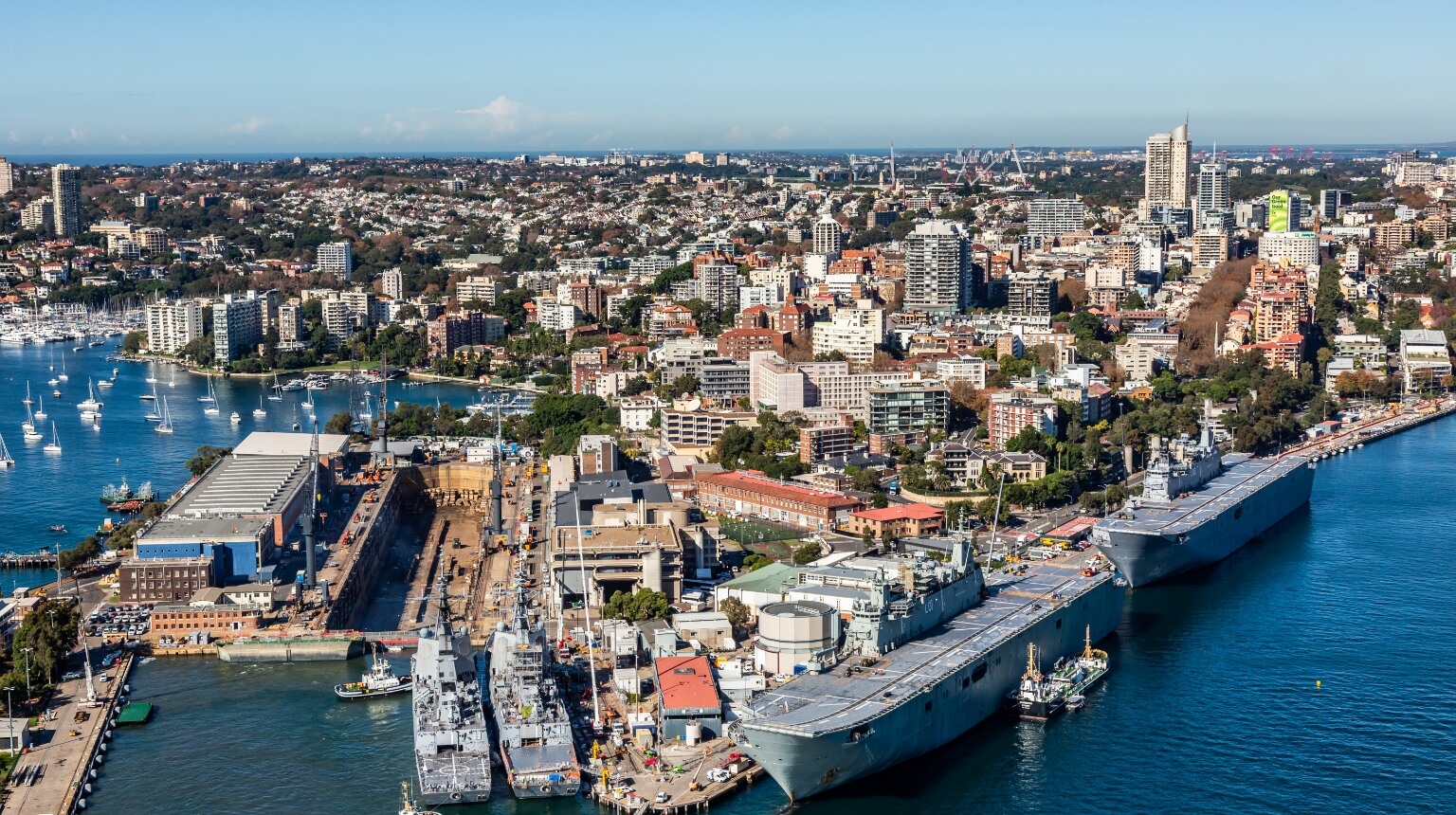
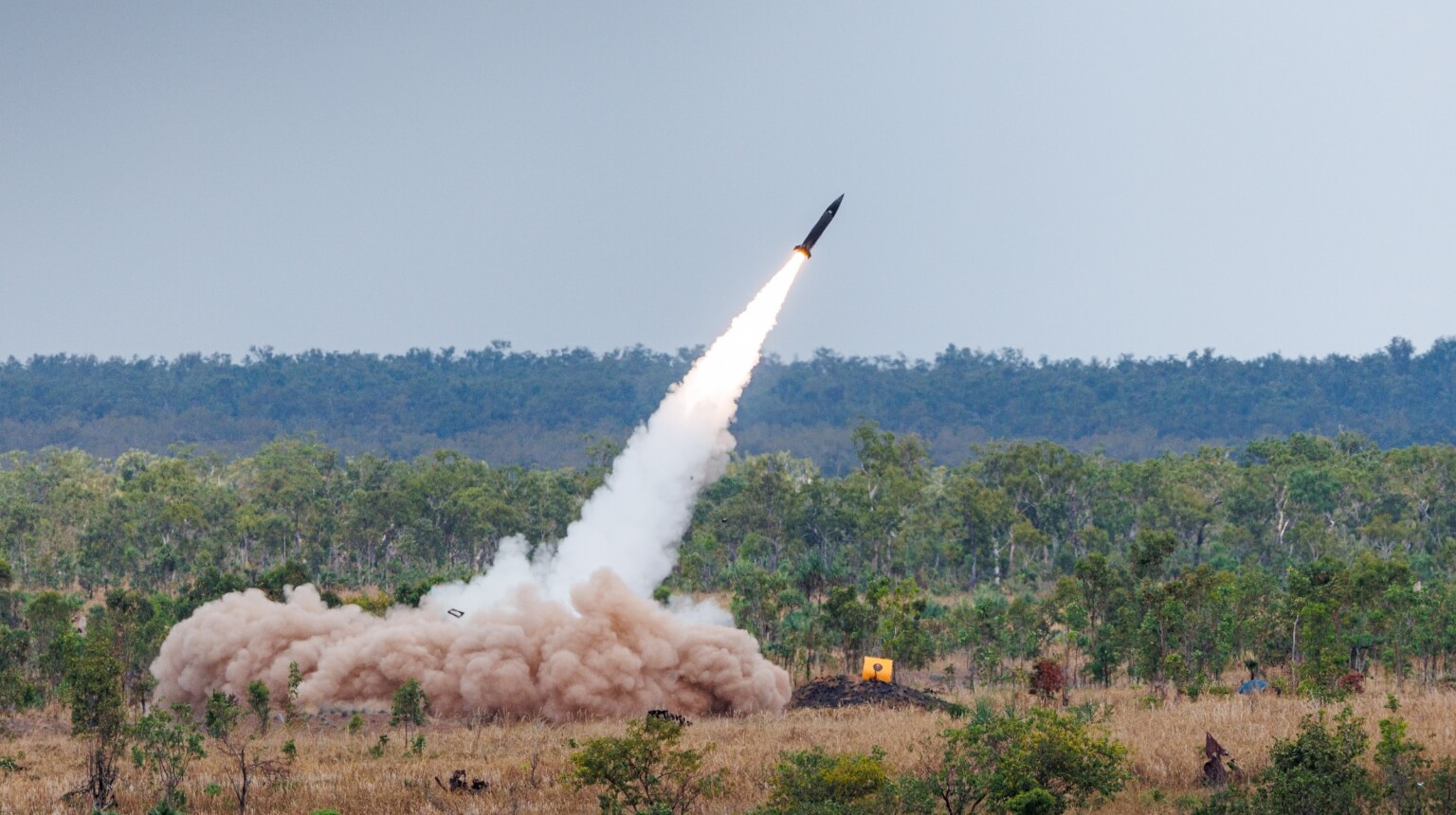
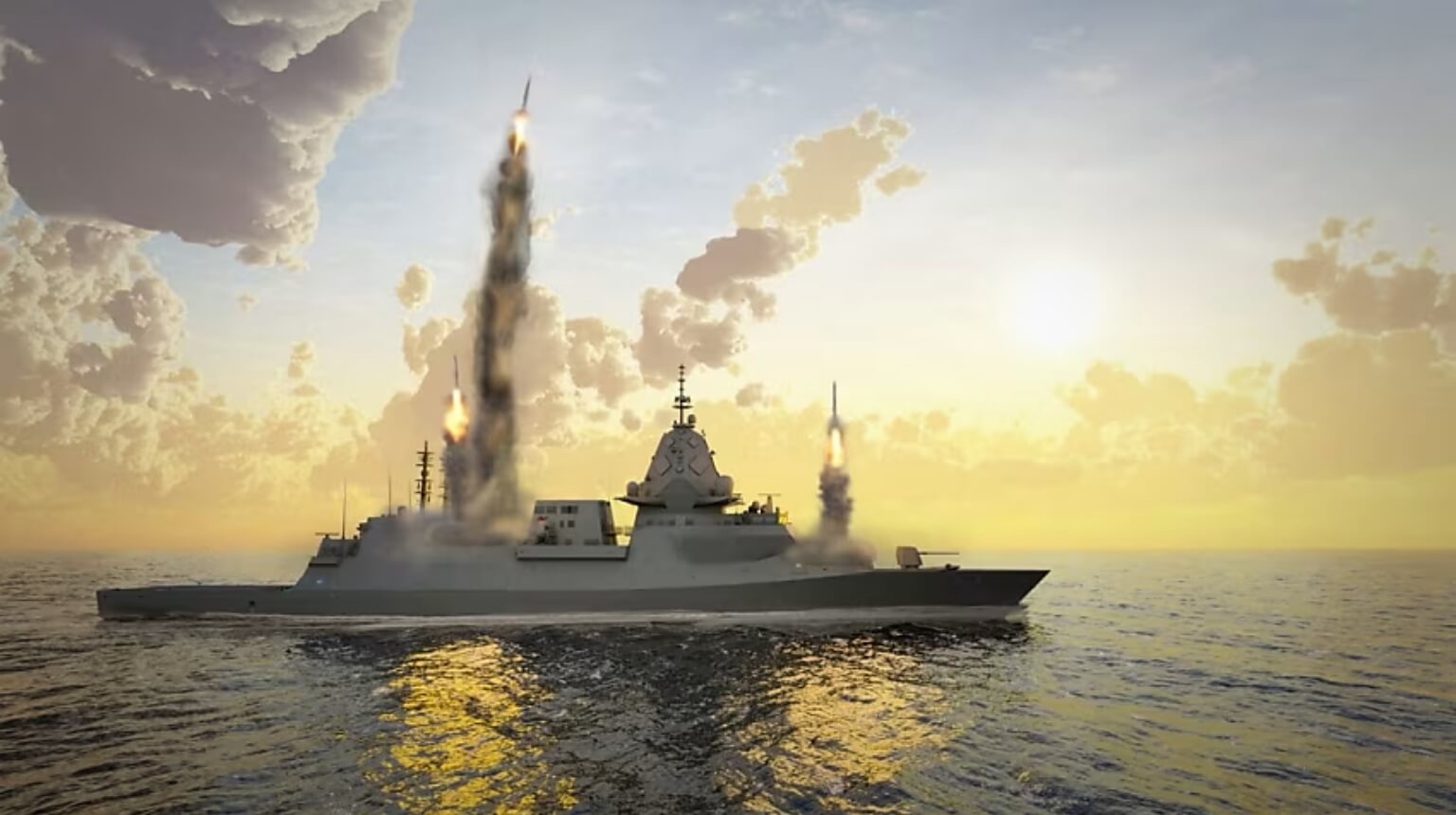
For Australia, the challenge is how to adapt. The government’s defence procurement plans, from the nuclear-powered submarine program to the expansion of surface combatants, long-range strike, and integrated maritime surveillance, represent a generational investment in national power. Yet these initiatives must do more than just replace ageing platforms, they must reflect a coherent maritime strategy that blends deterrence, forward presence and alliance interoperability with sovereign capability and resilience.
The era of episodic procurement and slow industrial decision making is over. In its place must come a continuous, strategically aligned force development cycle capable of responding to the pace of regional change. Australia must build not only the ships and submarines but also the industrial base, workforce and technological edge to sustain them through crisis and conflict. Maritime control cannot be outsourced; it must be underwritten by sovereign capability.
Ultimately, Australia’s security in the Indo-Pacific will hinge on its ability to operate and, when necessary, dominate its surrounding maritime approaches. Control of the sea is control of destiny and in a century where the Indo-Pacific will define global order, Australia must ensure it remains a shaper, not a spectator.
Stephen Kuper
Lead - Defence & Aerospace and Senior Analyst
Momentum Markets