

Their twin messages – one focused on industrial regeneration, the other on warfighting design – carry implications far beyond Washington. For Australia, these developments are not just of academic interest; they directly shape expectations of defence alliance, burden-sharing and capability alignment under AUKUS.
Framing the challenge: Industrial decay meets strategic urgency
In mid-July 2025, Secretary Phelan delivered his “Re-Industrialise 2.0” keynote speech in Detroit, invoking the symbolic weight of America’s wartime industrial mobilisation. He urges a return to that era’s urgency: reinvigorating shipyards, restoring supply chains, rebuilding dockyards and re-anchoring public-private partnerships.
Secretary Phelan did not shy away from declaring the stakes high. He points to escalating threats: China’s “unmatched military build-up”, Russia’s regional adventurism, shifting missile threats at home and adversaries exploiting technology at speed.
In his view, the US cannot afford strategic complacency. In his testimony to Congress, he said reviving the maritime industrial base is “not just a matter of economic policy; it is a national security imperative”.
Secretary Phelan also argues for reform in procurement: “Change the way that we buy things, change the way we make decisions; we have to be quicker.”
He has publicly toured shipyards, met industrial leaders and committed to restructuring acquisition processes to break through bureaucratic inertia.
This speech laid the industrial foundation – but executing force design would require a new operational vision. That baton passes to ADM Caudle.
Caudle’s mandate: ‘Foundry, fleet, fight’
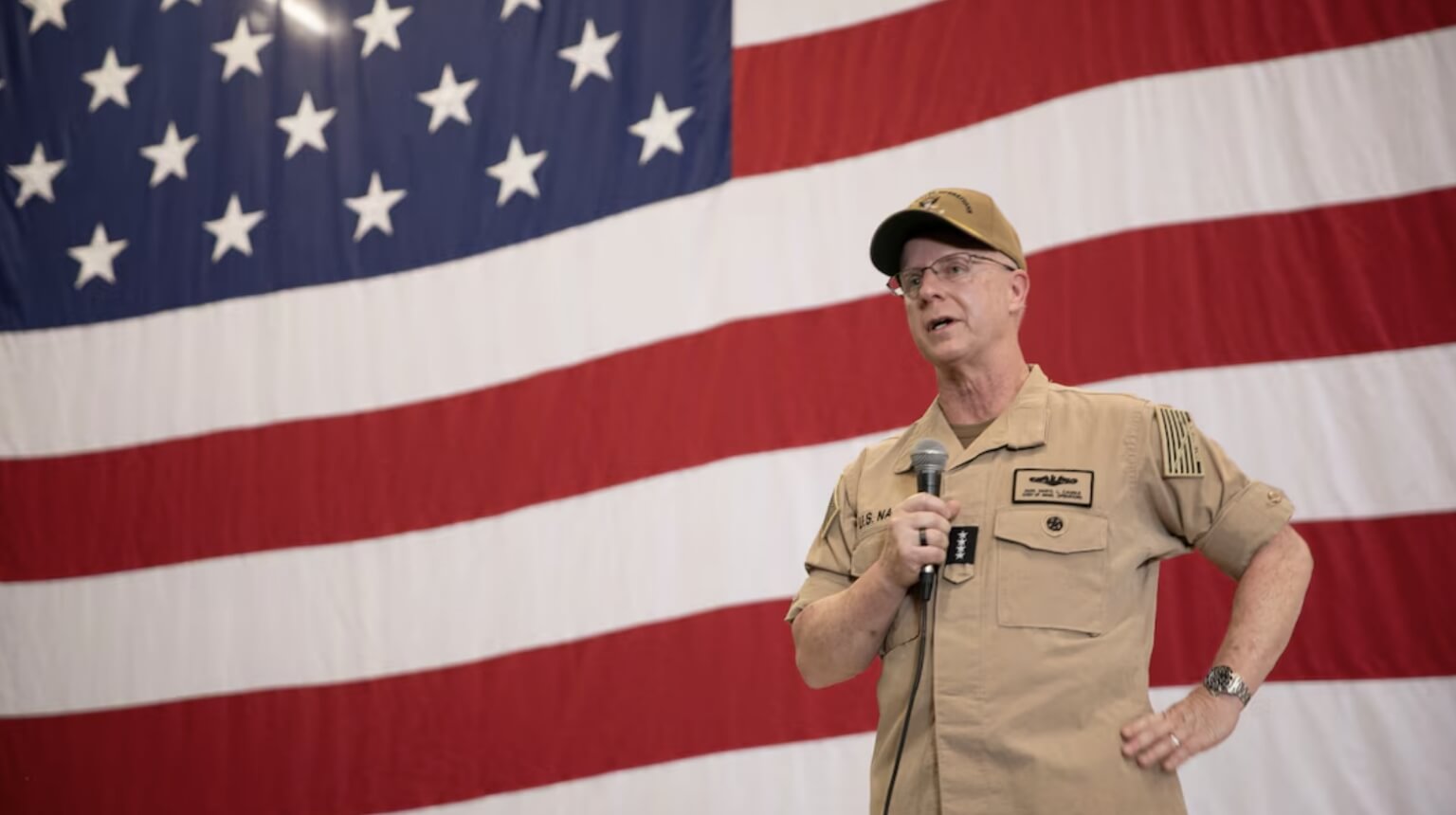
ADM Caudle’s inaugural remarks as Chief of Naval Operations, delivered 25 August 2025, struck a resolute tone. He describes the point of transition: “The way we fight today will not be the way we fight tomorrow.” At the core of his agenda is a reimagined fleet design, tightly coupling future platforms with emerging domains: AI, autonomy, robotics, hypersonics, resilient command networks, quantum sensing – all bound into a new warfighting architecture.
The way we fight today will not be the way we fight tomorrow.”
- US Chief of Naval Operations Admiral Daryl Caudle
His operating philosophy is expressed in his Day One message and subsequent NAVADMIN directive, structured around three pillars: foundry, fleet, fight.
-
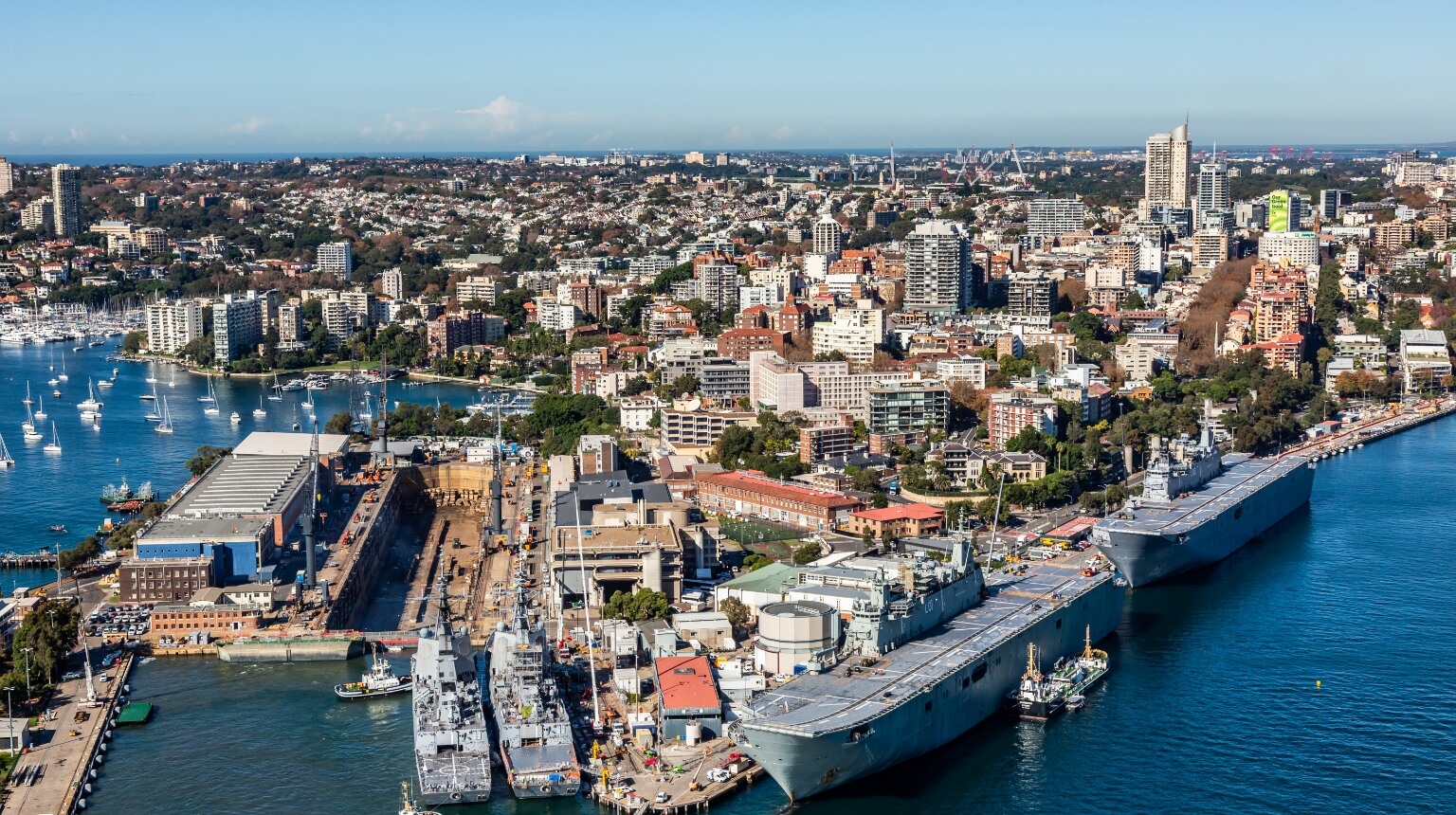
Foundry refers to the shore-based backbone – shipyards, logistics, maintenance, supply chains, infrastructure, repair yards – which ADM Caudle now treats not as support but as the “engine of naval dominance”.
-
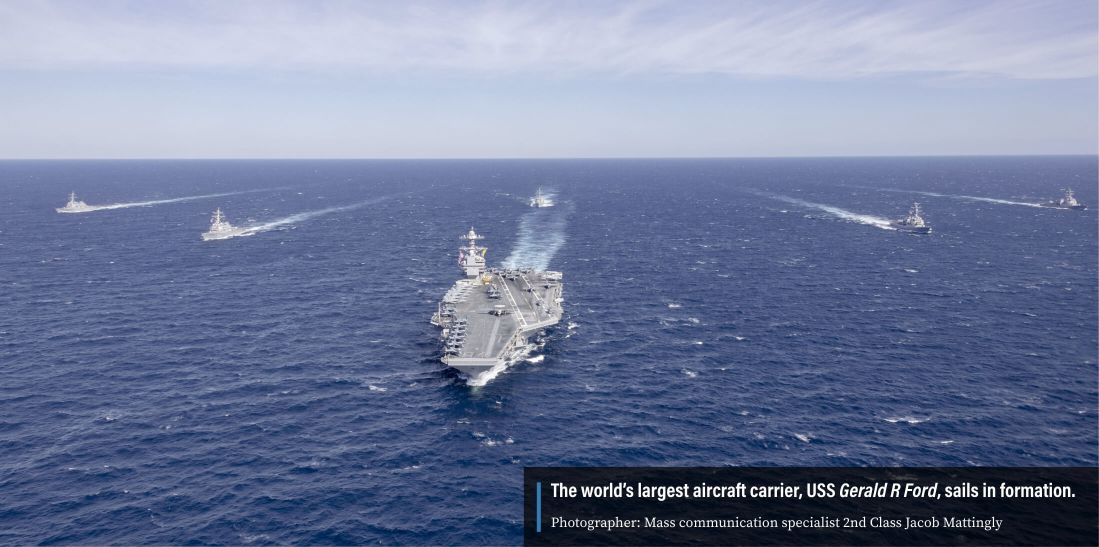
Fleet is the actual warship force generated from that foundry, expected to be delivered on time, manned, maintained, and combat ready.
-
Fight signals the doctrinal, networked, joint, allied employment of maritime power.
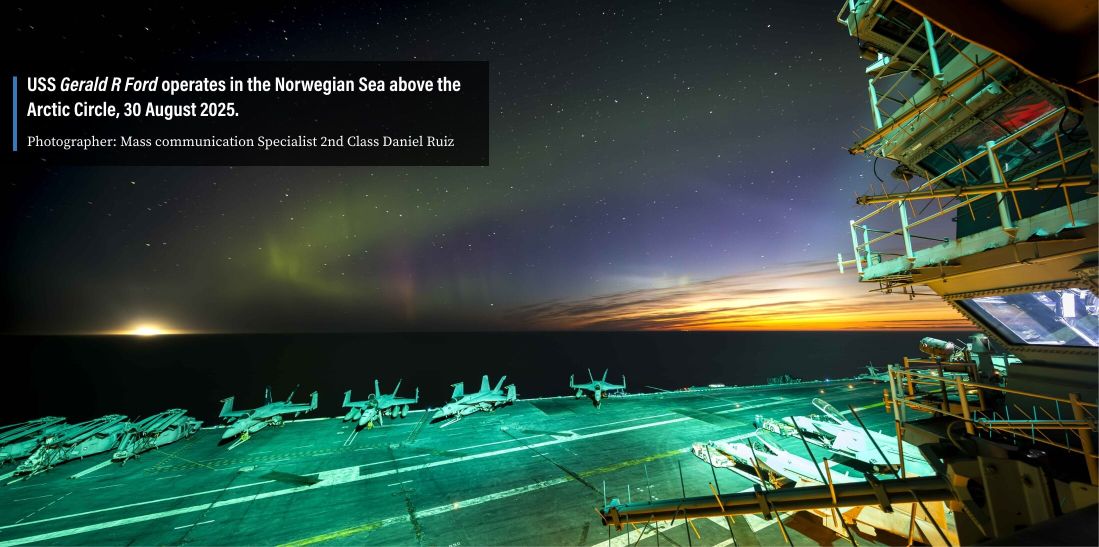
In his message to the fleet, ADM Caudle affirms a strategic commitment: “We exist for prompt and sustained combat at sea, preserving freedom of navigation, safeguarding global commerce and deterring those who threaten America’s values and sovereignty.”
He did not mince words about benchmarks: platforms must be delivered and repaired on schedule, ships must be fully crewed and combat ready, ordnance production and parts distribution must meet contracted demand, and sailors must be trained to mastery.
ADM Caudle’s command is clear – the US Navy must not only imagine a future fleet but build and sustain it, with industrial resolve and operational coherence.
Signposts of change: From rhetoric to reform
Already, ADM Caudle is emphasising reforms in personnel, training and infrastructure. In a September “administrative message”, he announced the renaming of the “Ready Relevant Learning” program to the Career Training Continuum, signalling a more holistic, continuous learning model.
He is also expanding the use of live, virtual, constructive training across levels, from the schoolhouse to unit warfighting.
On the infrastructure side, ADM Caudle highlights plans for Shore Intermediate Maintenance Activities in Norfolk and San Diego to provide hands-on, advanced repair capabilities and exposure to emerging tools like 3D printing, robotics, artificial intelligence/machine learning workflows and digital monitoring.
Taken together, these steps show that the vision is not merely conceptual – ADM Caudle is pushing operational levers to align sailors, platforms and infrastructure.
What this means for Australia under AUKUS
For Canberra, the new US naval posture presents opportunities and obligations in near equal measure. Three dimensions demand urgent attention.
-
Industrial expectations and commitments
Secretary Phelan’s push to “reindustrialise” underlines that allies must not be passive recipients; they must become industrial contributors. AUKUS is already more than submarines – it is about co-development, shared sovereign capacity and resilient supply chains. The US will expect partners to shoulder industrial effort: in munitions, maintenance, shipbuilding, sustainment and dual-use technologies. Australia cannot relegate shipyard reform or munitions manufacturing to a secondary status if it intends to be a sustained contributor to the alliance. -
Operational interoperability and design alignment
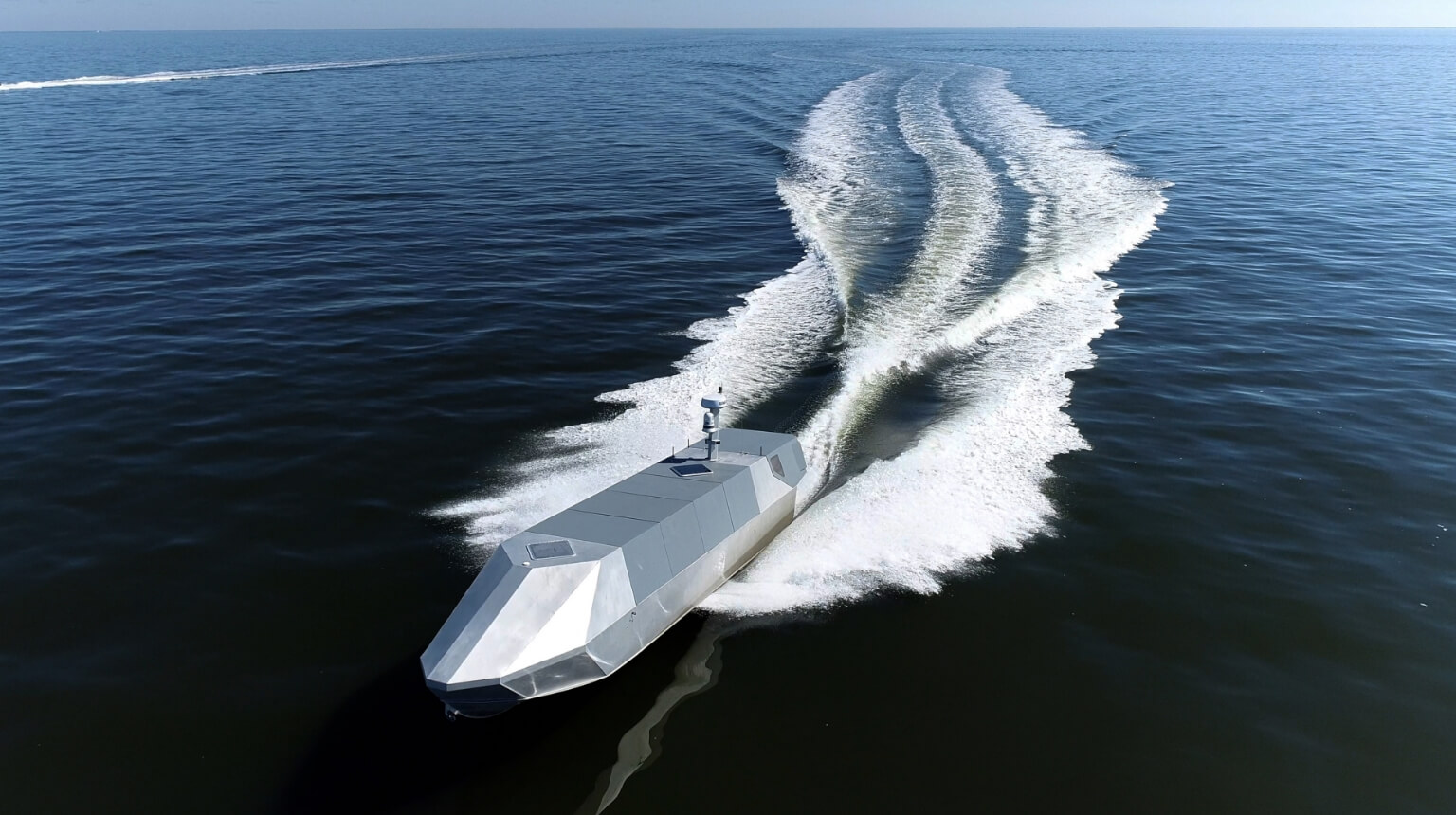
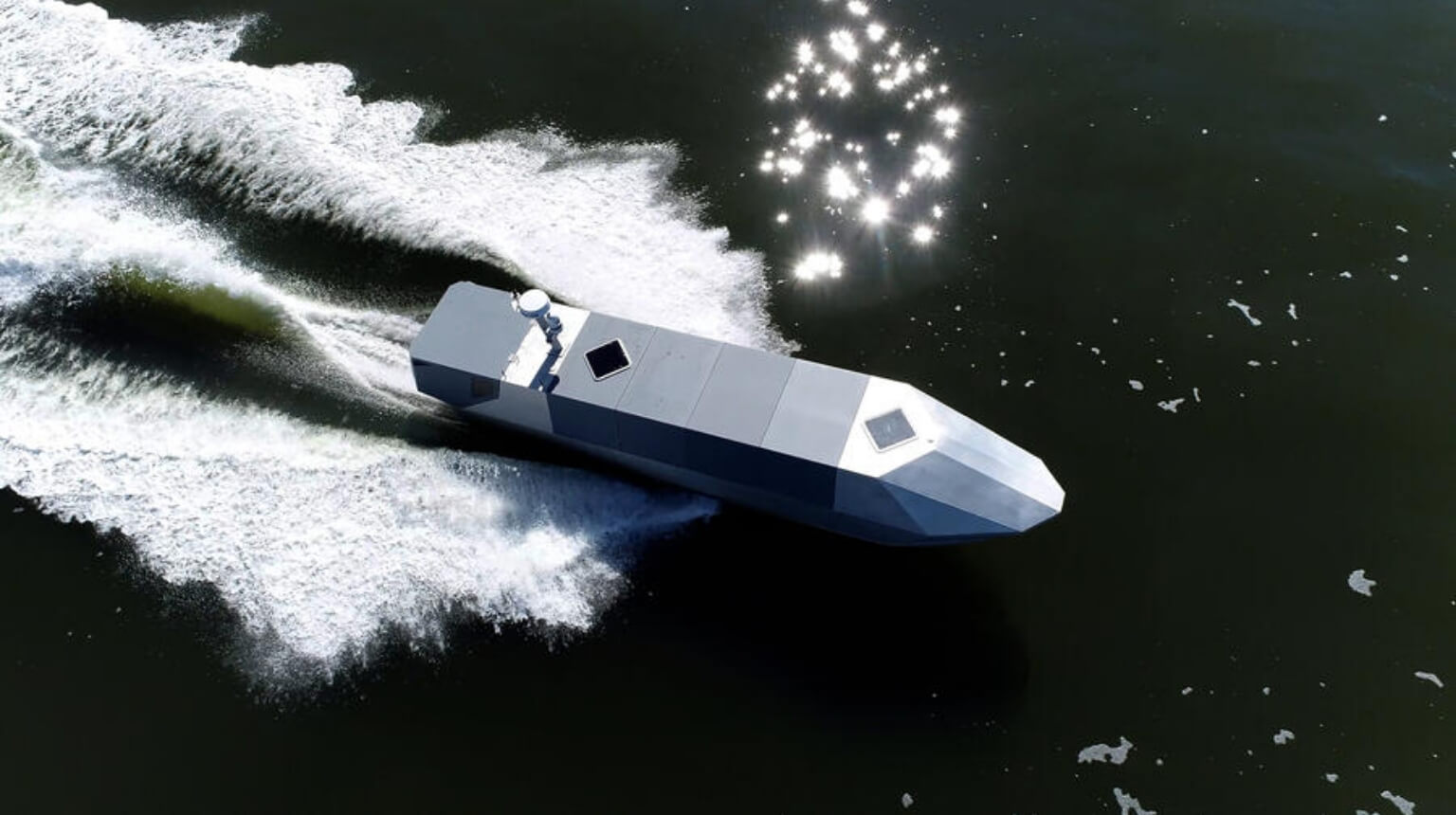
ADM Caudle’s insistence on fleet design that integrates unmanned systems, AI, quantum sensors and domain convergence challenges Australia’s existing force structure. The Royal Australian Navy and broader Australian Defence Force will need to slot seamlessly into US architectures. That means shared data systems, common doctrine, reciprocal command and control and a willingness to adapt platform design to alliance needs. The MQ-28 Ghost Bat, planned nuclear submarines, advanced command nodes and integrated air/sea/space systems must align with the US operational tempo, not lag behind it. -
Strategic burden and deterrent expectations
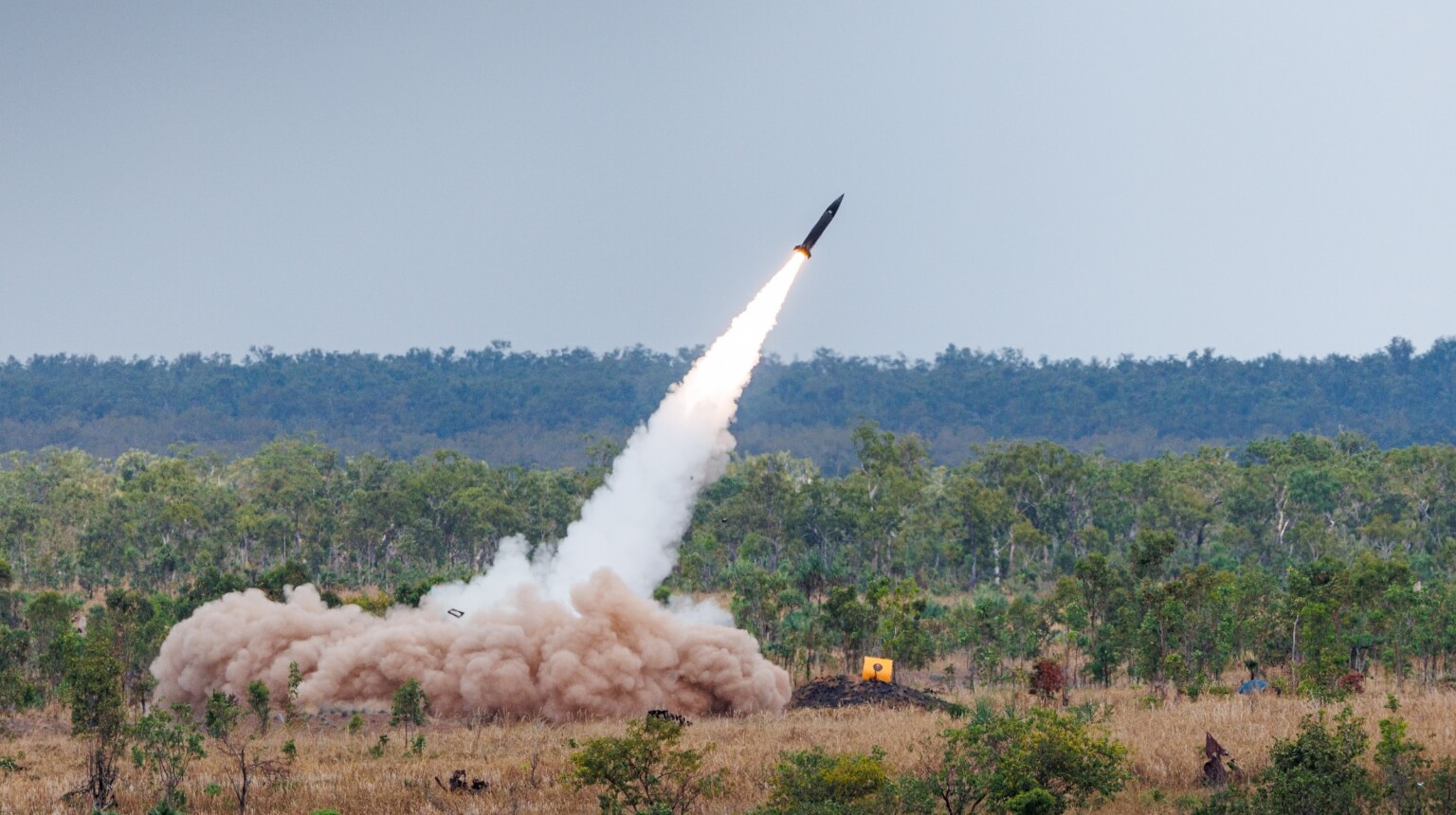
Both speeches emphasised “peace through strength”. In the Indo-Pacific, that doctrine implicitly extends beyond the US axis. Australia must deepen its deterrent posture: credible long-range strike, resilient basing in the north, force posture in south-east Asia and maritime cooperation with Pacific and ASEAN states. Under AUKUS, Australia transitions from collaborator to indispensable node in a collective deterrent network – one in which contributions will be measured, not assumed.
The United States is signalling – both in steel and in strategy – that complacency in naval power is no longer tenable. In Detroit, Secretary Phelan has called for an industrial resurrection. In Washington, ADM Caudle has defined the operational translation of that revival. The twin visions coalesce into a simple truth: naval dominance depends on both the ship and the shipyard.
For Australia, the message is unmistakable: if we are to be more than spectators in our own strategic backyard, we must align our ambitions with this industrial and operational renaissance. AUKUS demands more than policy rhetoric – it demands industrial guts, fleet coherence and sustained deterrence. The US is reindustrialising Detroit. Australia must be ready to reindustrialise Adelaide, Perth and every shipyard that matters.