

A leap in capability and strategic alignment
By shifting production to Australia, Leidos is fast-tracking the deployment of field-proven autonomous technologies that were developed and matured in the US Navy context. The move leverages Leidos’ five decades of heritage with the US Navy, including more than 120,000 nautical miles of fully autonomous operation at sea.
In doing so, Australia gains more control over not just acquisition but sustainment. Local manufacture means that from hull construction to payload integration, autonomy software development and maintenance, a sovereign ecosystem can be nurtured. The ability to sustain, repair, upgrade and scale such systems domestically is a significant advantage in a high tempo, contested maritime domain.
The ability to sustain, repair, upgrade and scale such systems domestically is a significant advantage in a high tempo, contested maritime domain.”
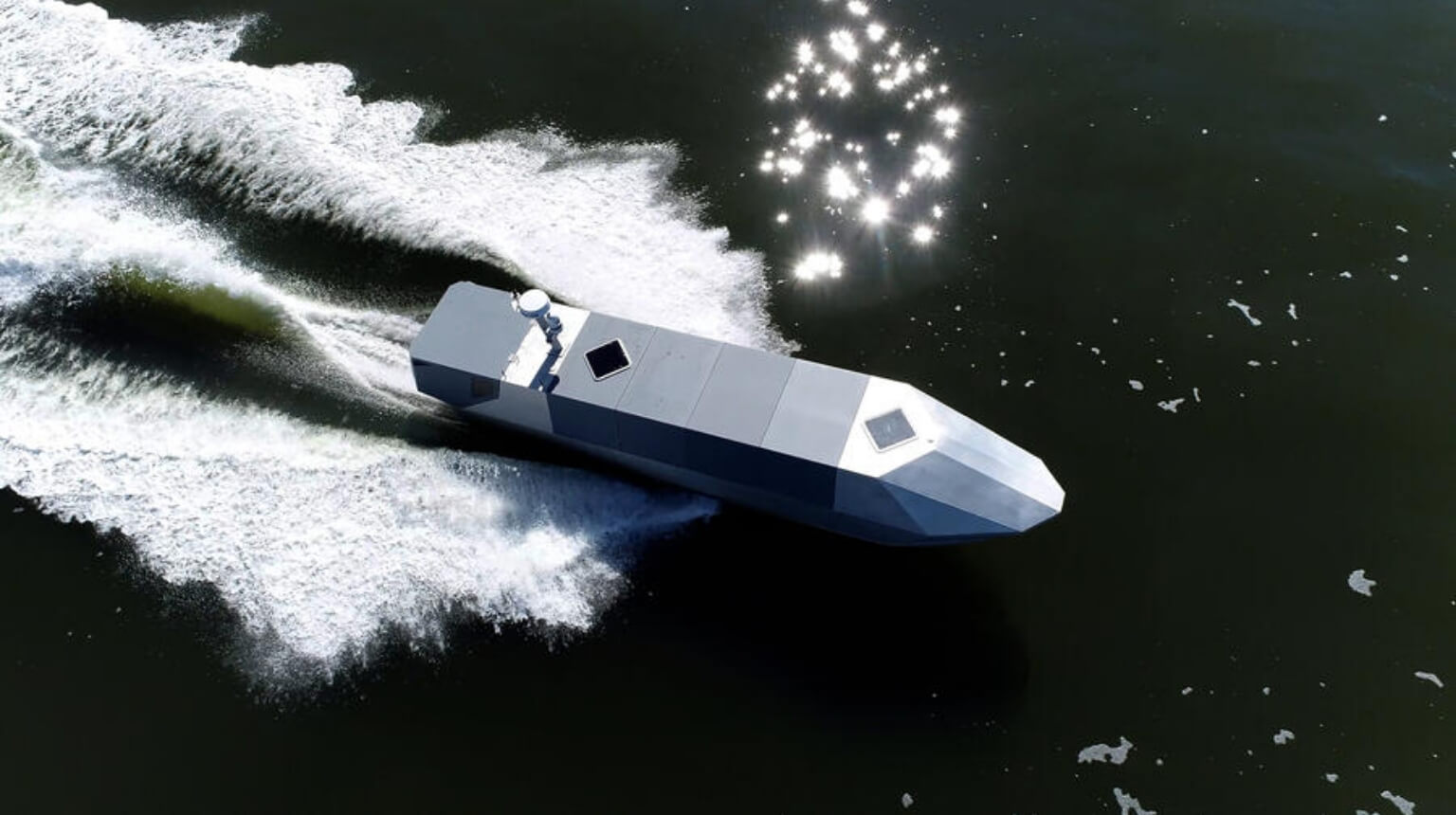
Sea Archer isn’t a one-off experiment – it will be integrated into Leidos’ broader Sea Systems ecosystem, which already includes medium-sized USVs such as Sea Hunter, Sea Hawk, Ranger and Mariner, and undersea systems like Sea Castle, Sea Spector and Sea Dart.
Technical profile: Blending speed, flexibility and autonomy
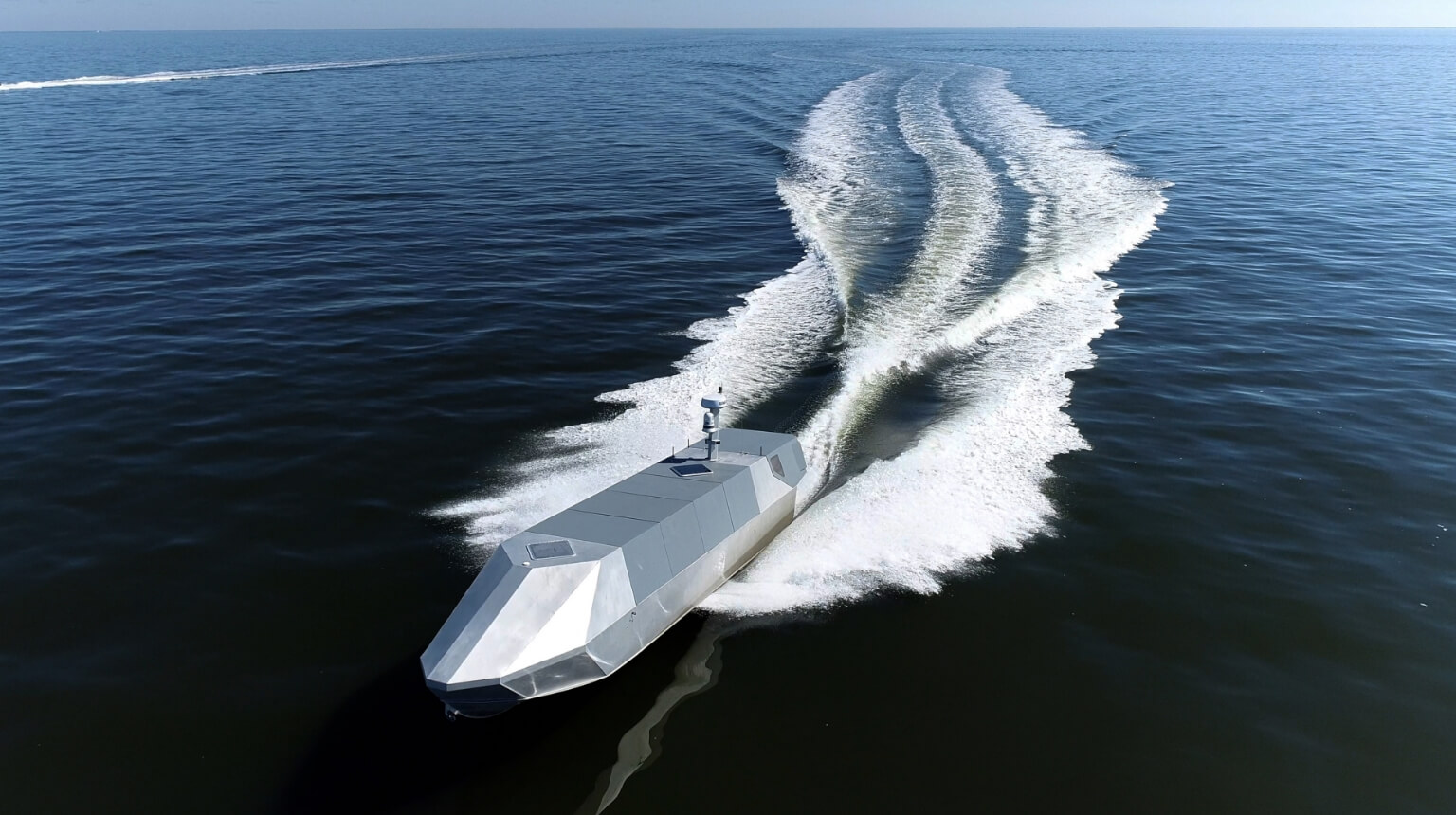
At its core, Sea Archer runs on Leidos’ LAVA (Leidos Autonomous Vessel Architecture) platform – a modular autonomy stack designed for high performance, safe navigation, obstacle avoidance and mission execution in dynamic maritime environments.
The autonomy platform is integrated with battle-management tools such as ADEPT and AlphaMosaic, which apply artificial intelligence to orchestrate distributed, autonomous fleets – enabling cooperation, tasking and adaptive behaviour across multiple vessels.
Key performance specifications of Sea Archer include:
-
Top sprint speed: ~40 knots (≈ 74 km/h)
-
Endurance / range: ~1,500 nautical miles (≈ 2,780 kilometres)
-
Payload capacity: >900 kilograms in a flexible bay, accommodating strike, logistics, ISR (intelligence, surveillance, reconnaissance), and electromagnetic deception loads
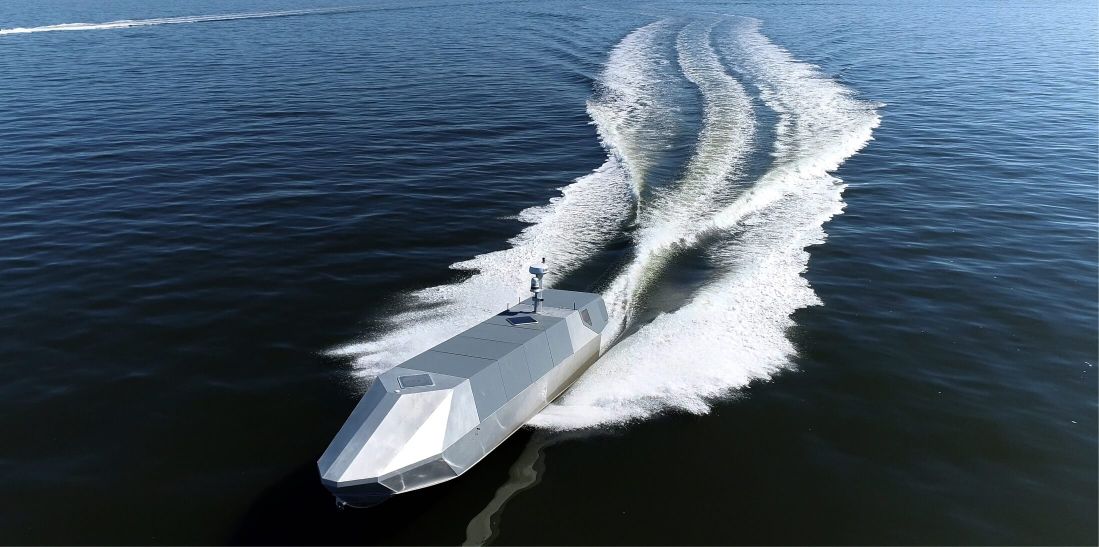
Because it is conceived with a light, modular aluminium hull and relatively simple construction requirements, Sea Archer is intended to be replicable in multiple shipyards across Australia, enabling scalability and distributed production.
Leidos has already integrated the LAVA autonomy stack across 12 different USV platforms, giving confidence that the software side is mature and capable of supporting a fleet of such vessels.
Local build, sovereign ecosystem
The first Sea Archer hull will be constructed in NSW. Leidos has appointed Oceans Rivers Lakes (ORL), a family-owned business based on the NSW Central Coast, to build the aluminium vessel. ORL boasts over 25 years of experience building specialised aluminium vessels across commercial, defence and recreational markets.
ORL’s manufacturing base, located in Cardiff, NSW, is positioned to deliver high-quality local fabrication and to foster skilled labour, supply chain participation and industry activity in the region.
Within Australia, the vision is to draw on local suppliers for payload modules, electronics, mechanical structures, as well as software, integration and maintenance – ensuring that critical capability is retained within the country rather than being offshored.
Strategic rationale and outlook
Australia’s northern maritime approaches span vast distances, complex littoral zones, and strategic chokepoints. Achieving persistent surveillance, rapid responsiveness and distributed deterrence in such an environment demands platforms with endurance, autonomy and agility. As Leidos Australia CEO Paul Chase puts it: “Given Australia’s vast northern approaches, platforms with coverage, endurance and agility are critical.”
Uncrewed surface vessels can serve as force multipliers – enabling continuous presence, covering areas beyond the reach of manned platforms, and operating in contested or high-risk zones without putting personnel at risk. In today’s evolving geostrategic environment, such capabilities enhance national security, sovereignty and deterrence.
The aluminium hull design that can be built relatively simply is crucial to rapid production. This modular and repeatable approach means Sea Archer units could be produced across multiple shipyards, accelerating fleet expansion as required.
Sea Archer has already entered sea trials in the US and is expected to be mission-ready by 2026.
The Australian build of Sea Archer advances sovereign maritime autonomy and defence preparedness. It combines high-performance autonomy, mission flexibility and local industrialisation, marking Australia as a key node in the development and deployment of uncrewed naval systems in the Indo-Pacific era.