

 iscover






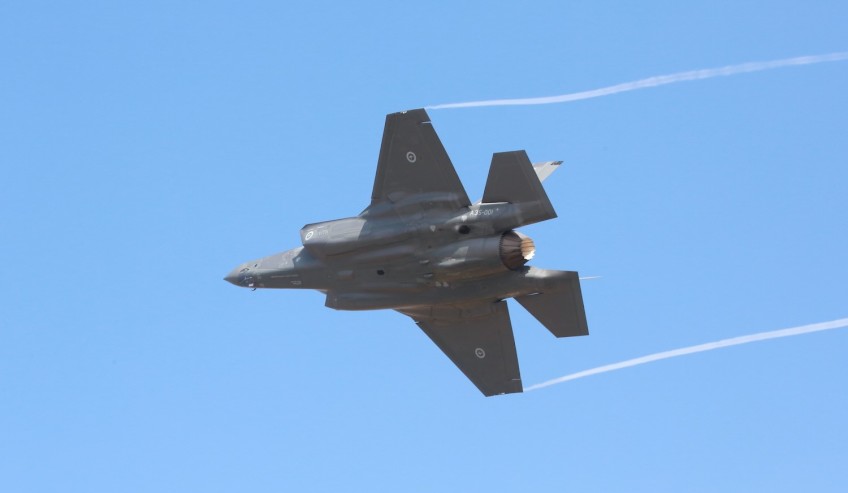
Australia’s JSF F-35As, attached to the US 56th Fighter Wing, will resume local F-35A flight operations on Wednesday, 21 June following an 11-day pause after five physiological events occurred during flights from 2 May – 8 June 2017.
A statement from the Luke Air Force Base in Arizona, where the 56th wing and two Australian F-35As are currently based, said, "No specific root cause for the physiological events was identified during recent visits from experts and engineers from the Joint Program Office, Lockheed Martin, the Air Force Research Laboratory and other organisations. However, specific concerns were eliminated as possible causes including maintenance and aircrew flight equipment procedures."
The statement said five criteria are temporarily applied to local flights as technical and human performance data continues to be gathered:
1. Avoid the altitudes in which all five physiological events occurred;
2. Modify ground procedures to mitigate physiological risks to pilots;
3. Expand physiological training to increase understanding between pilot and medical communities;
4. Increase minimum levels for backup oxygen systems for each flight; and
5. Offer pilots the option of wearing sensors during flight to collect airborne human performance data.
Brigadier General Brook Leonard, the 56th Fighter Wing Commander, said a large team has worked extensively to understand the physiological events reported from the five incidents.
Want to see more stories from trusted news sources?
Make Defence Connect a preferred news source on Google.
Click here to add Defence Connect as a preferred news source.